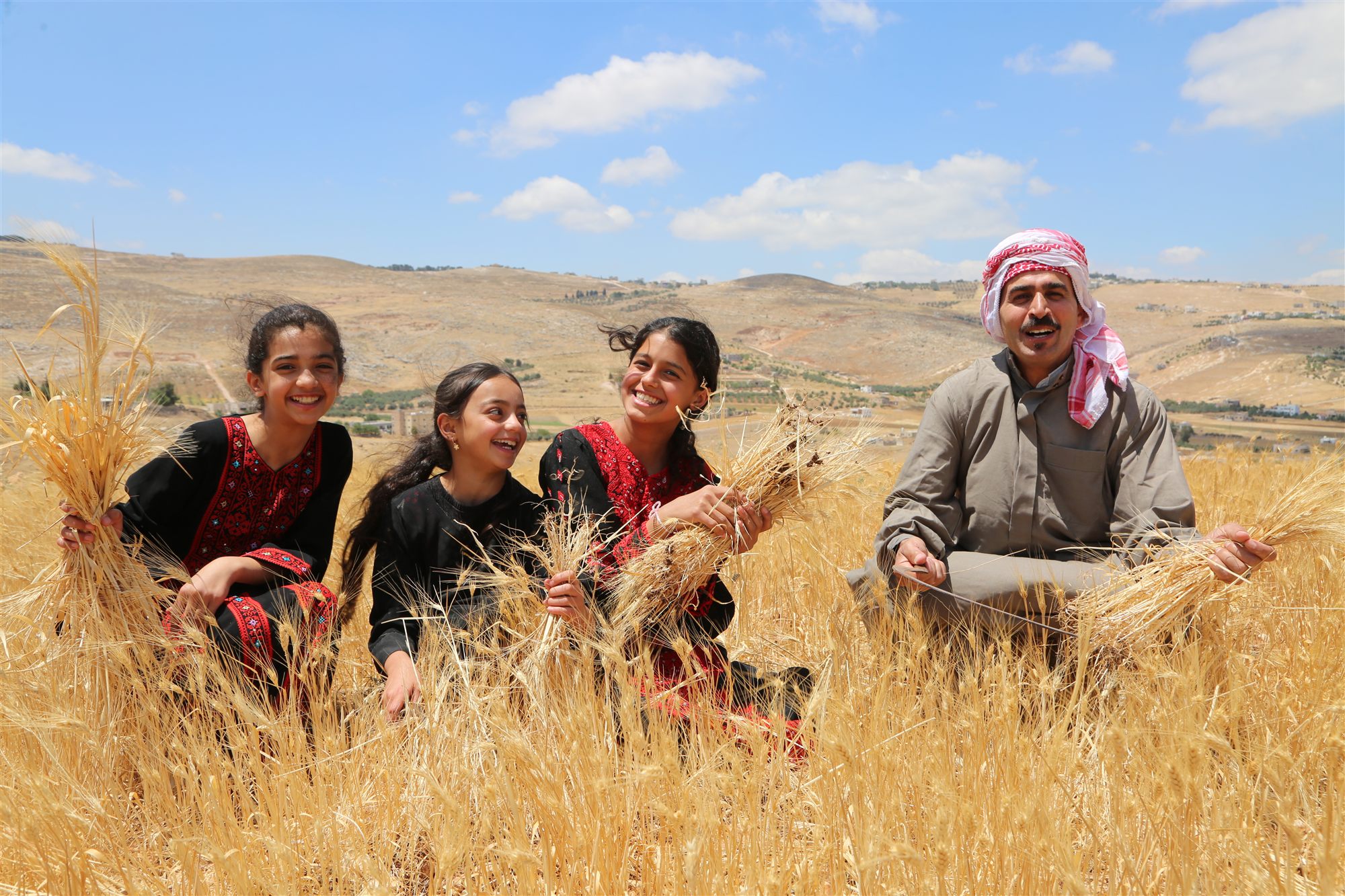
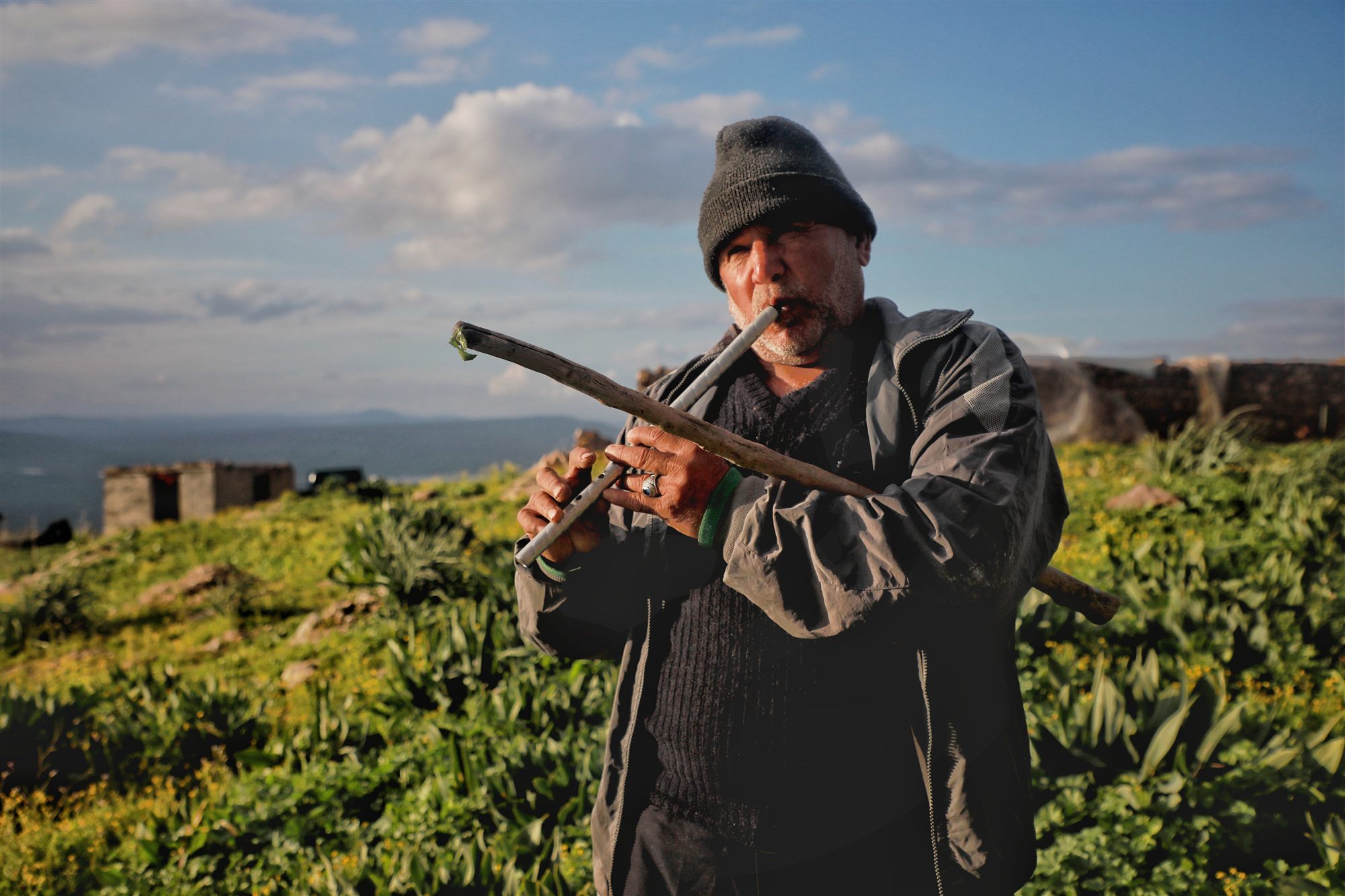
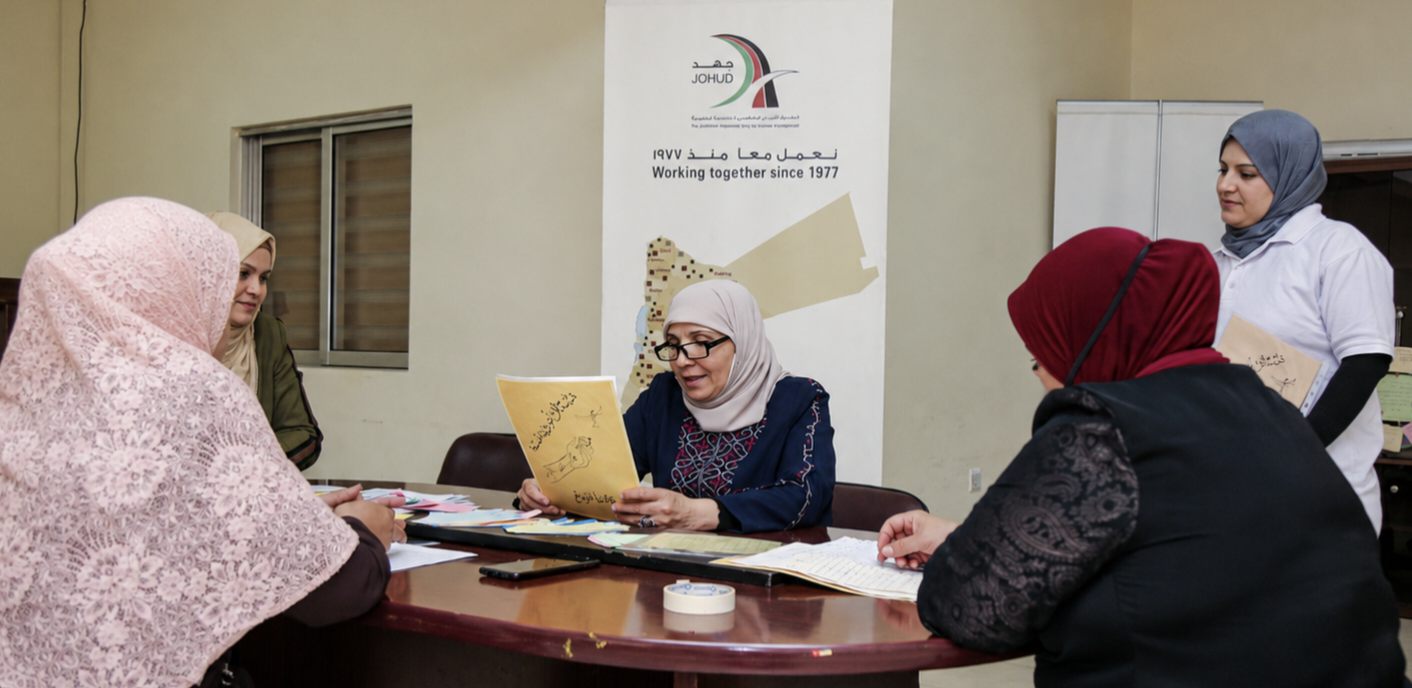
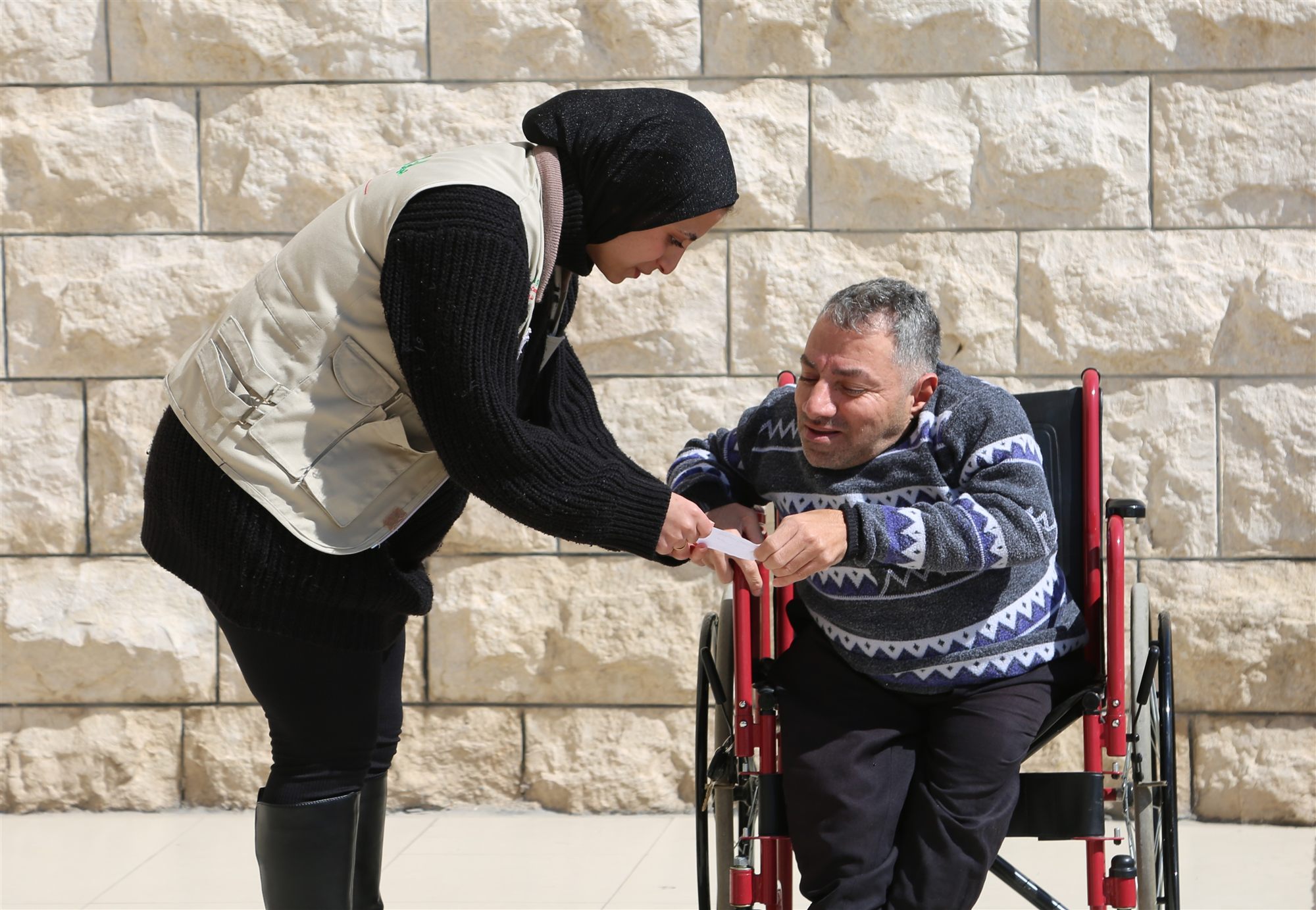
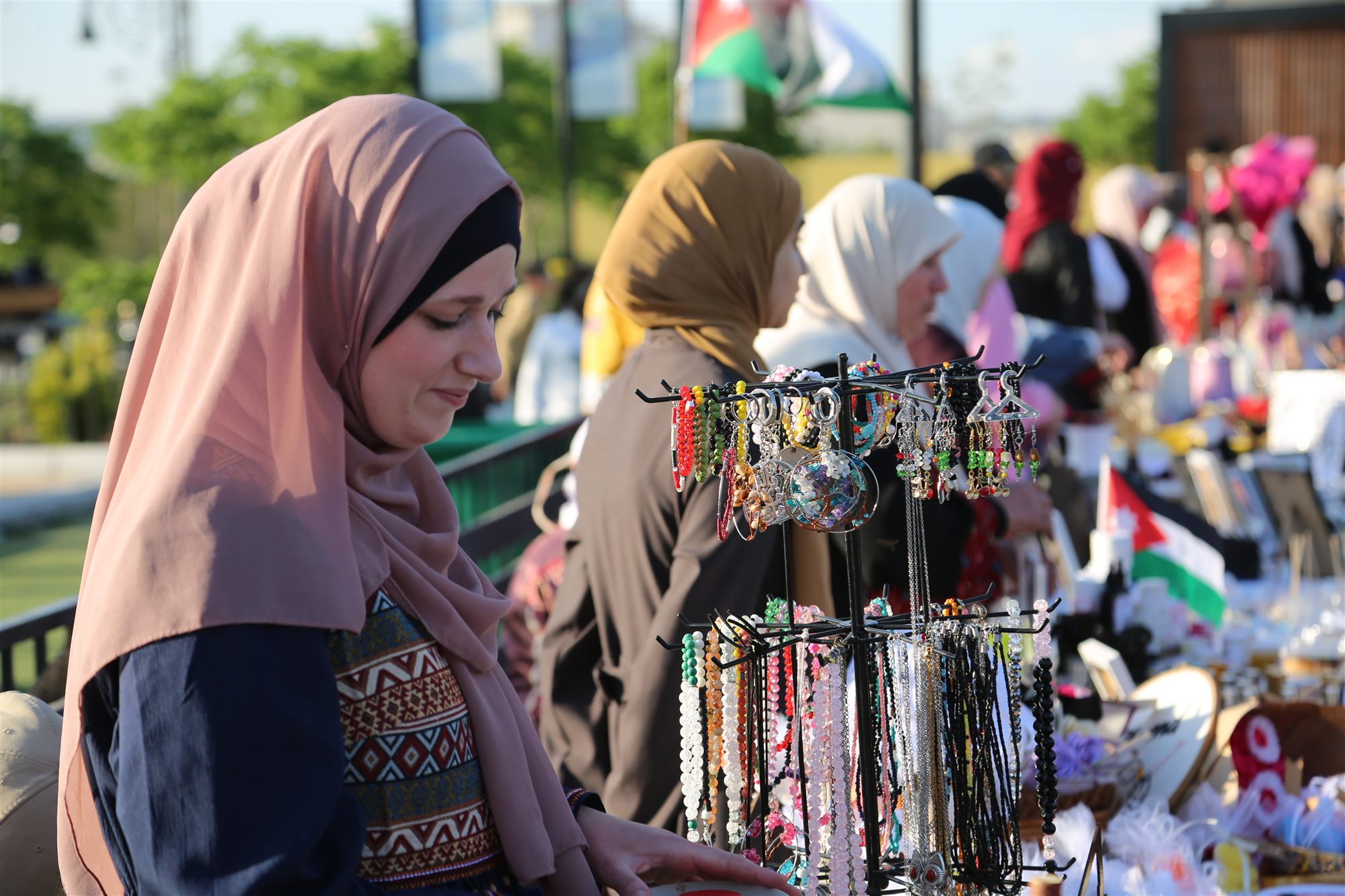
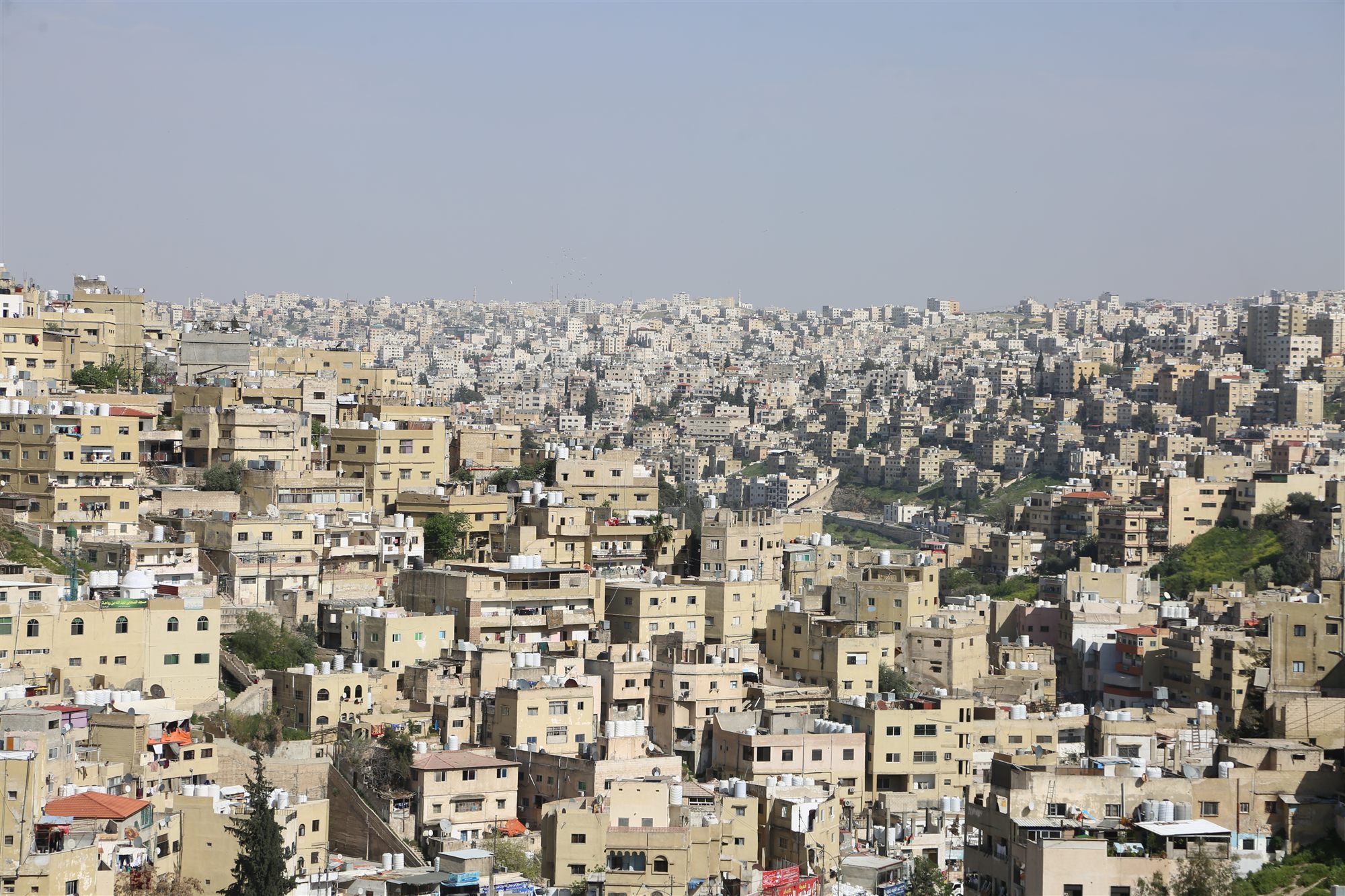
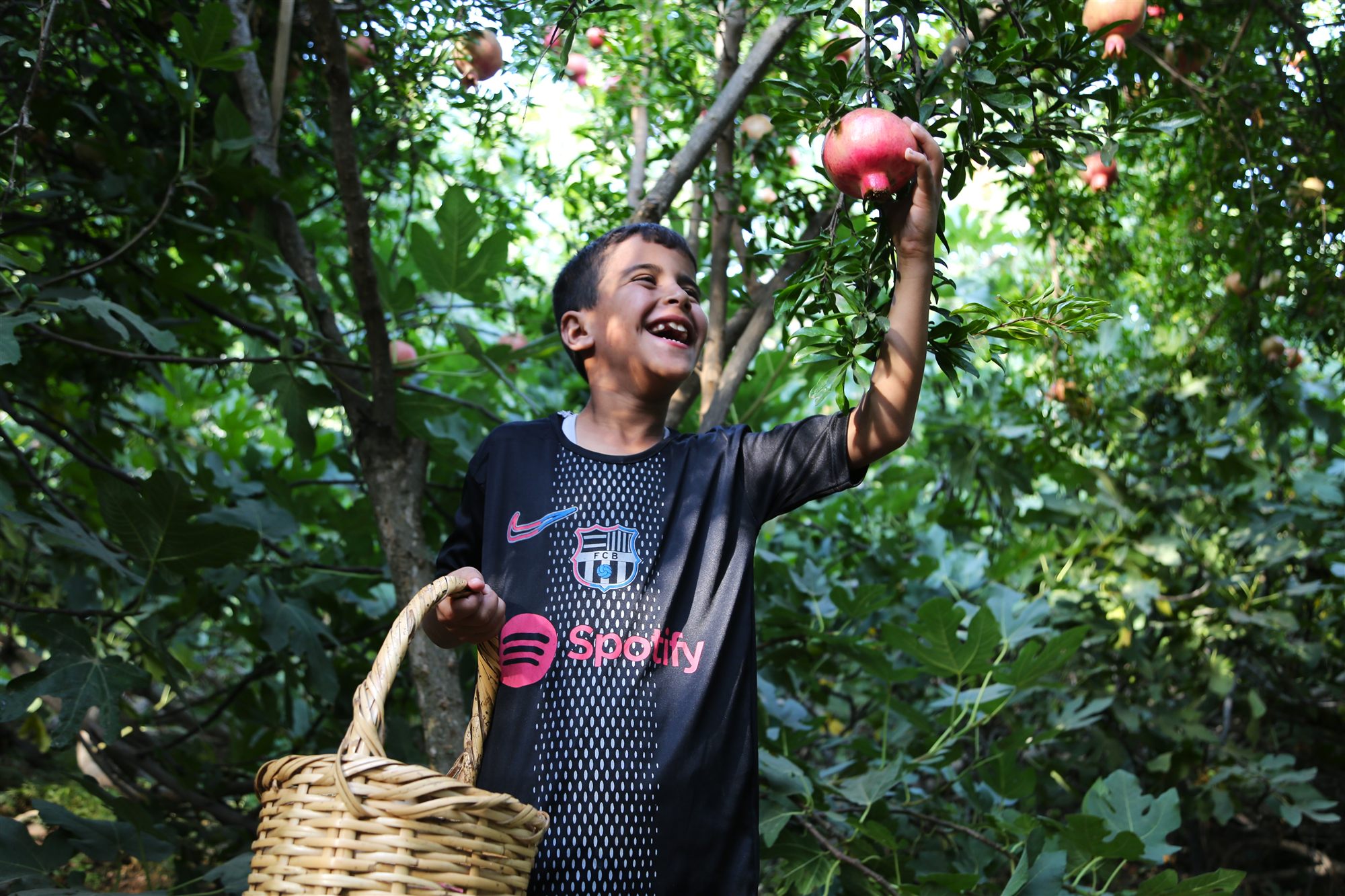
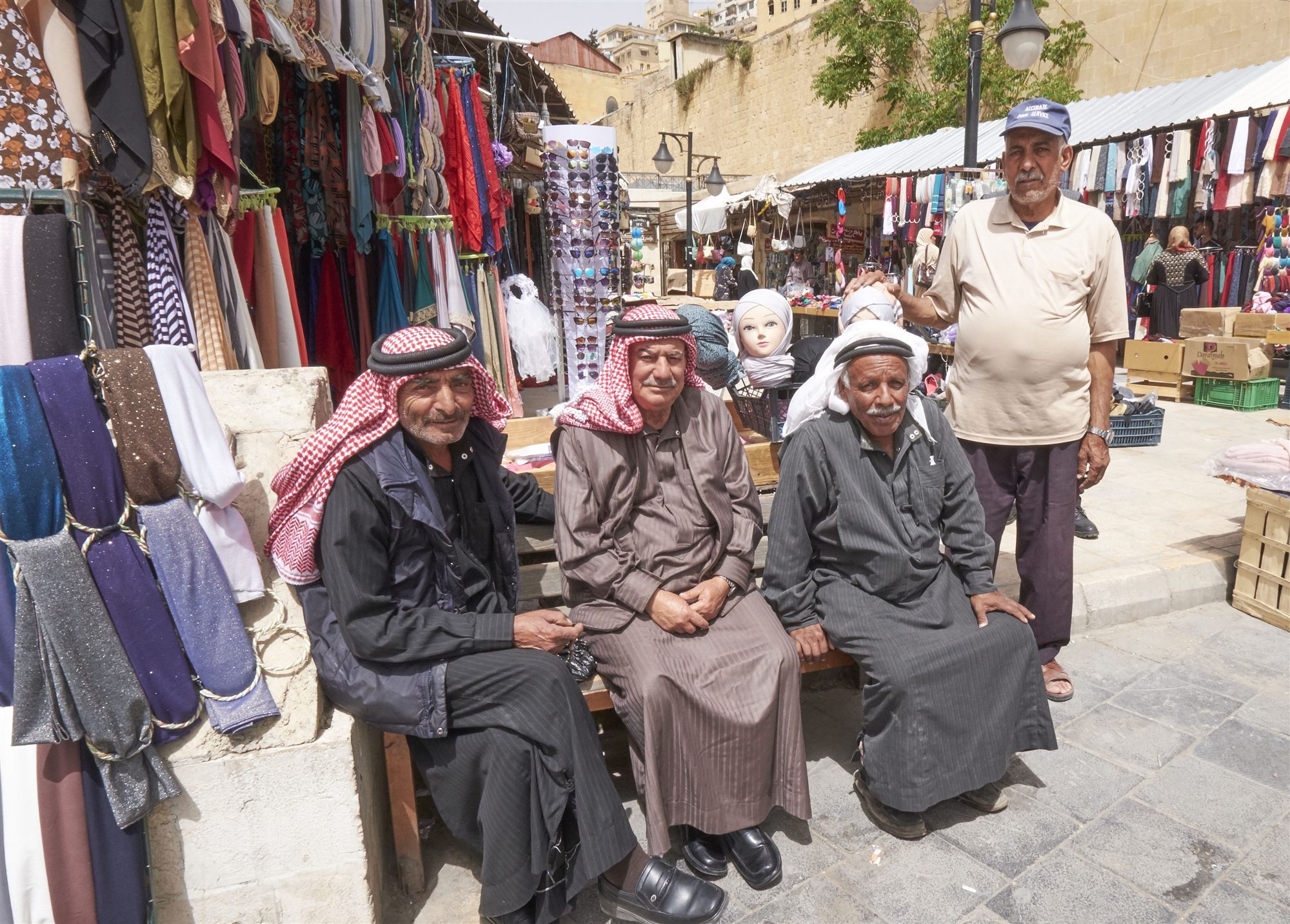
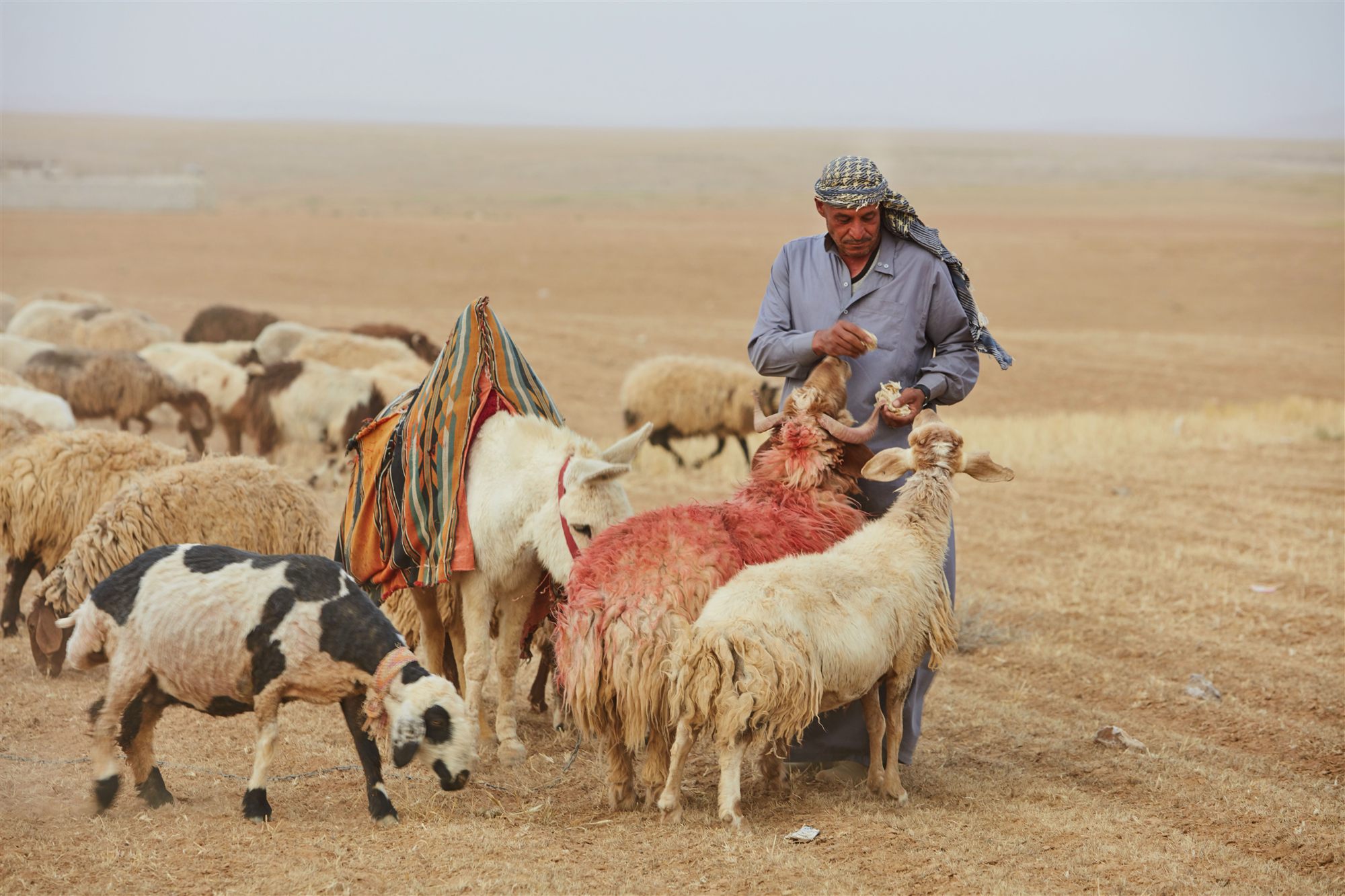
We follow communities over time.
Staying in the same place lets us see change rather than assume it.
Founded by Royal Decree in 1977 and chaired by HRH Princess Basma bint Talal, Johud is an independent national fund that works with communities across Jordan.
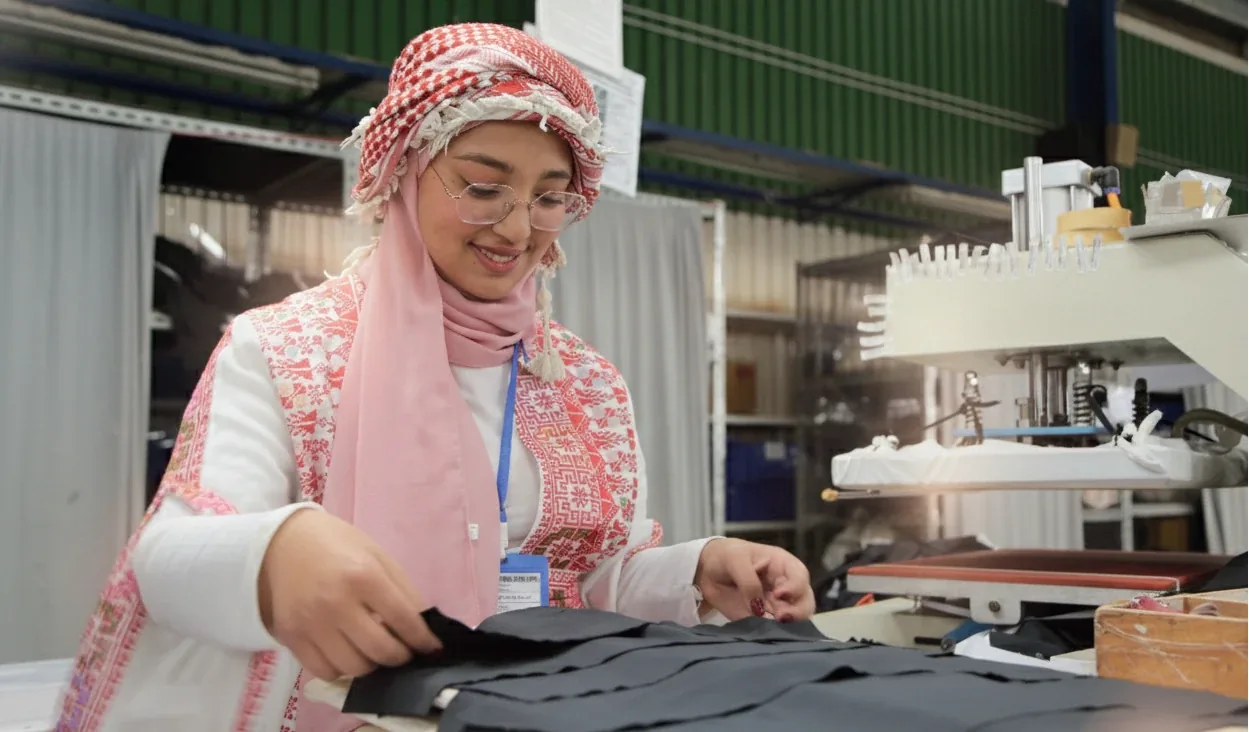
Johud, the Jordanian Hashemite Fund for Human Development, is Jordan's national NGO for community-led human development. Founded in 1977 and chaired by HRH Princess Basma bint Talal, Johud operates more than 50 Community Development Centres (CDCs) in every one of Jordan's 12 governorates. Last year alone, 138,479 people participated in Johud programmes. Sixty percent of centre leadership positions are held by women. Johud does not deliver development to communities: it builds platforms with them, platforms that remain long after any single project ends.
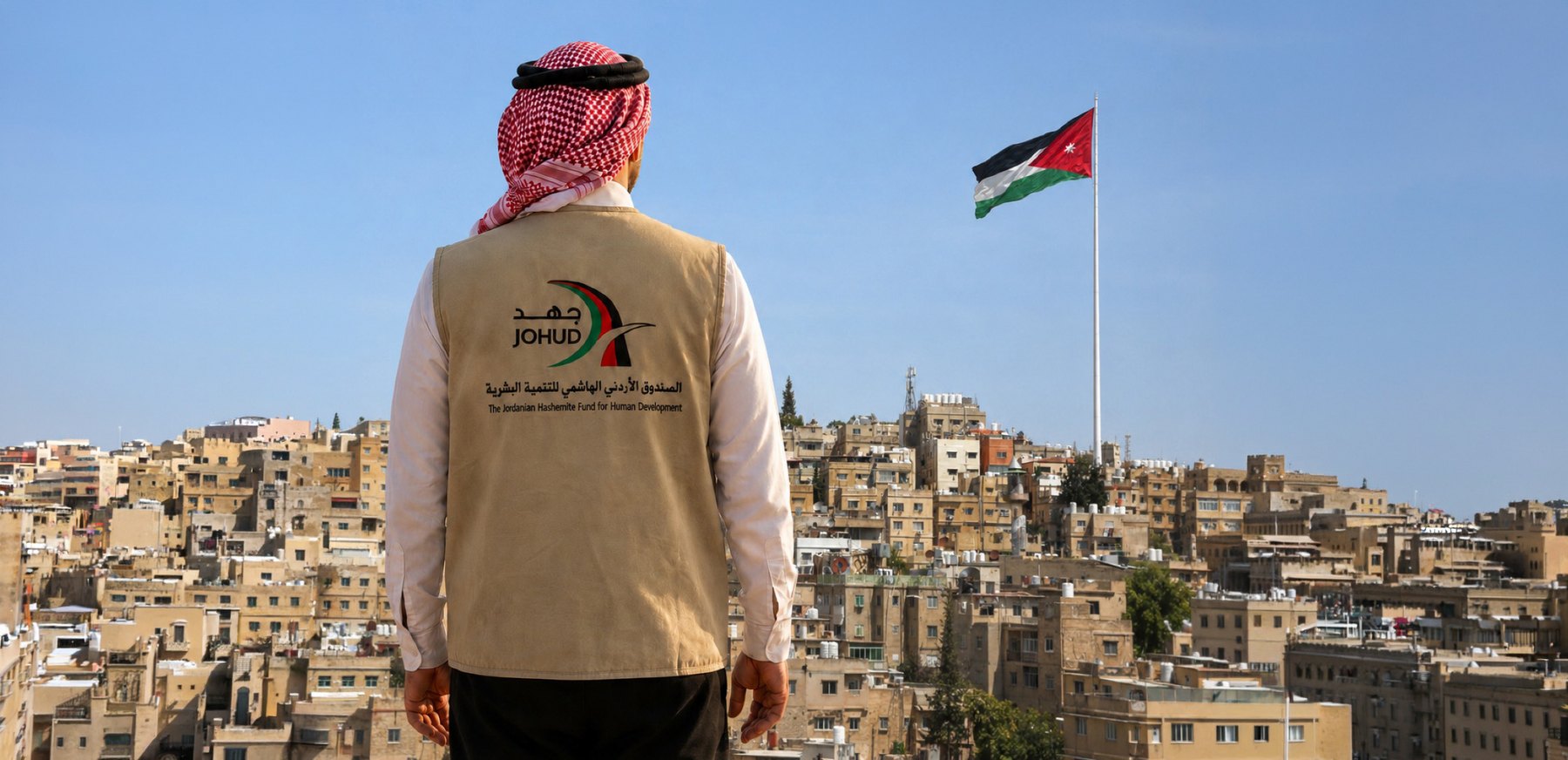
The Jordanian Hashemite Fund for Human Development (Johud) was founded on 1 November 1977 by Royal Decree of His Majesty the late King Hussein bin Talal. It is an independent, non-profit national fund.
‘In 1977, His Majesty the late King Hussein bin Talal honoured me with the founding of a charitable foundation for community development and for supporting those in need. Four decades on, it has grown into Jordan’s largest and most widely networked development institution.’
Programmes and priorities have changed many times in five decades. Our presence in communities has not.
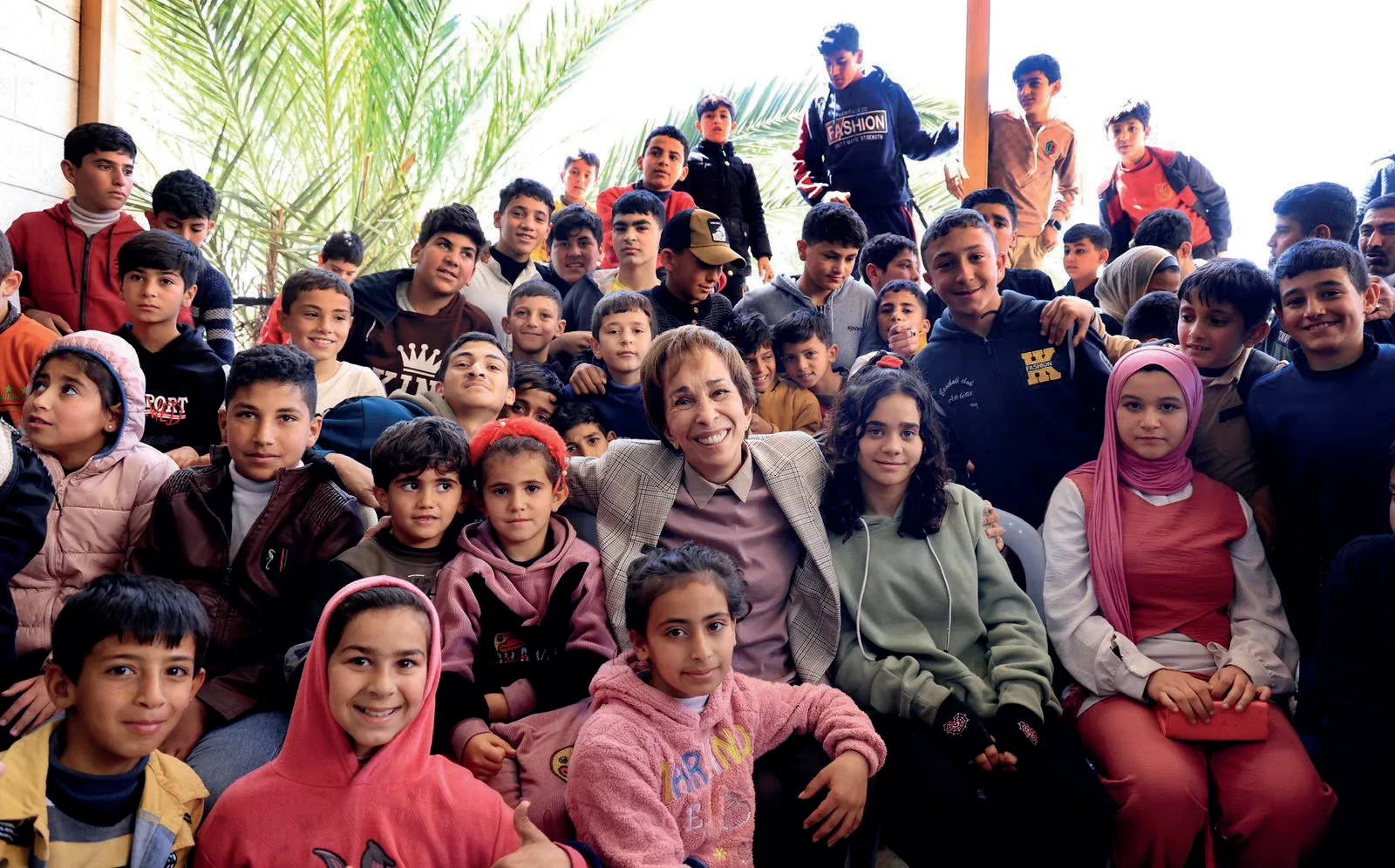
Many of the people who run our centres today grew up with Johud: children in summer clubs, then volunteers, then leaders in their own communities. No organisation can plan a journey like that. It only comes from staying, year after year.
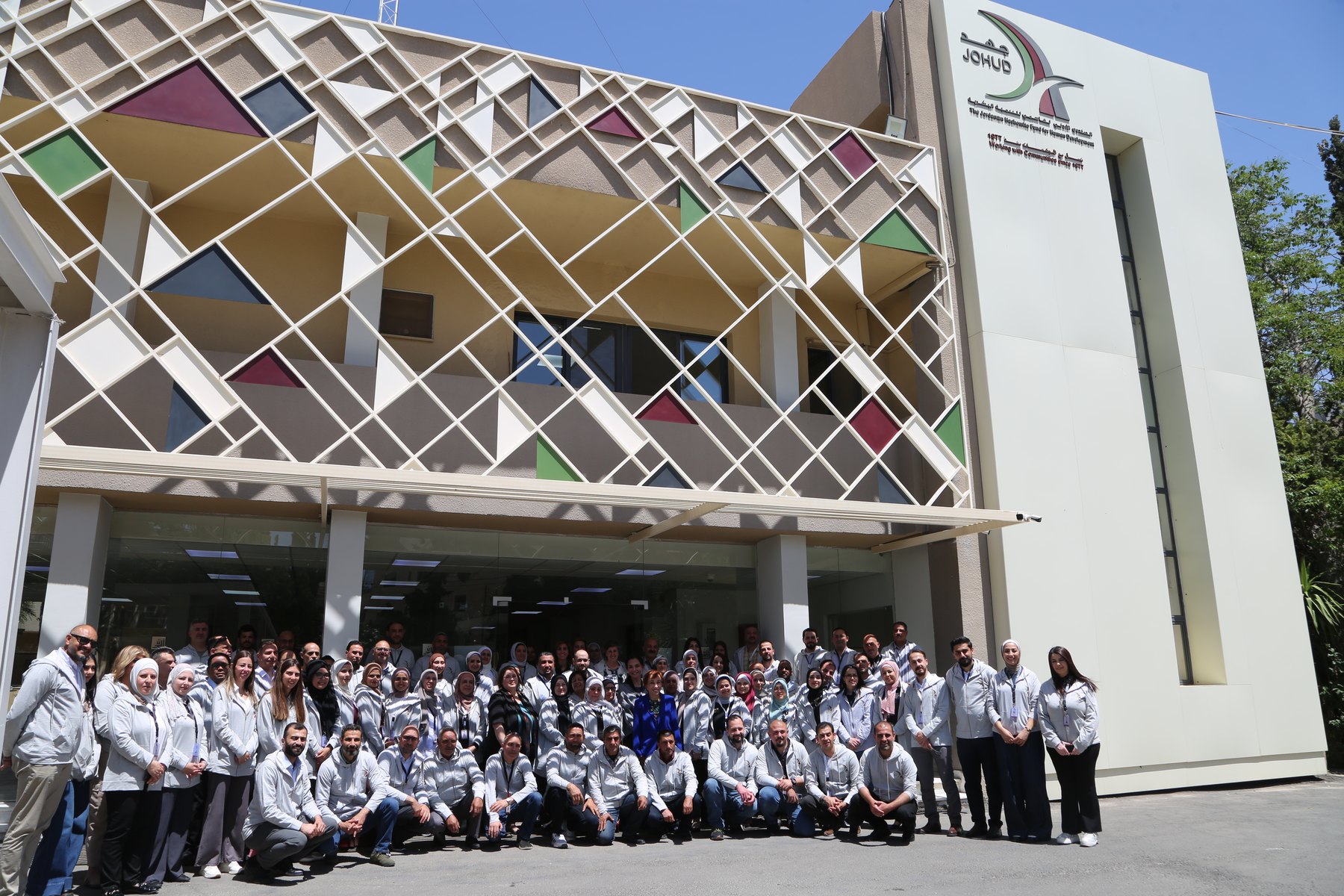
Much development work runs on projects: priorities set far from the community, short cycles, fixed targets. As a national fund, Johud looks after something different – a lasting network of centres, institutions, enterprises and volunteers – and uses projects only where they strengthen it.
Projects begin and end. Centres, relationships and local presence stay.
Institutions before projects. Learning before scale.
A project answers the question it was set up to answer, then stops. We have chosen to keep asking questions.
Staying in the same place lets us see change rather than assume it.
No survey can replace it, and we learn it by talking with them.
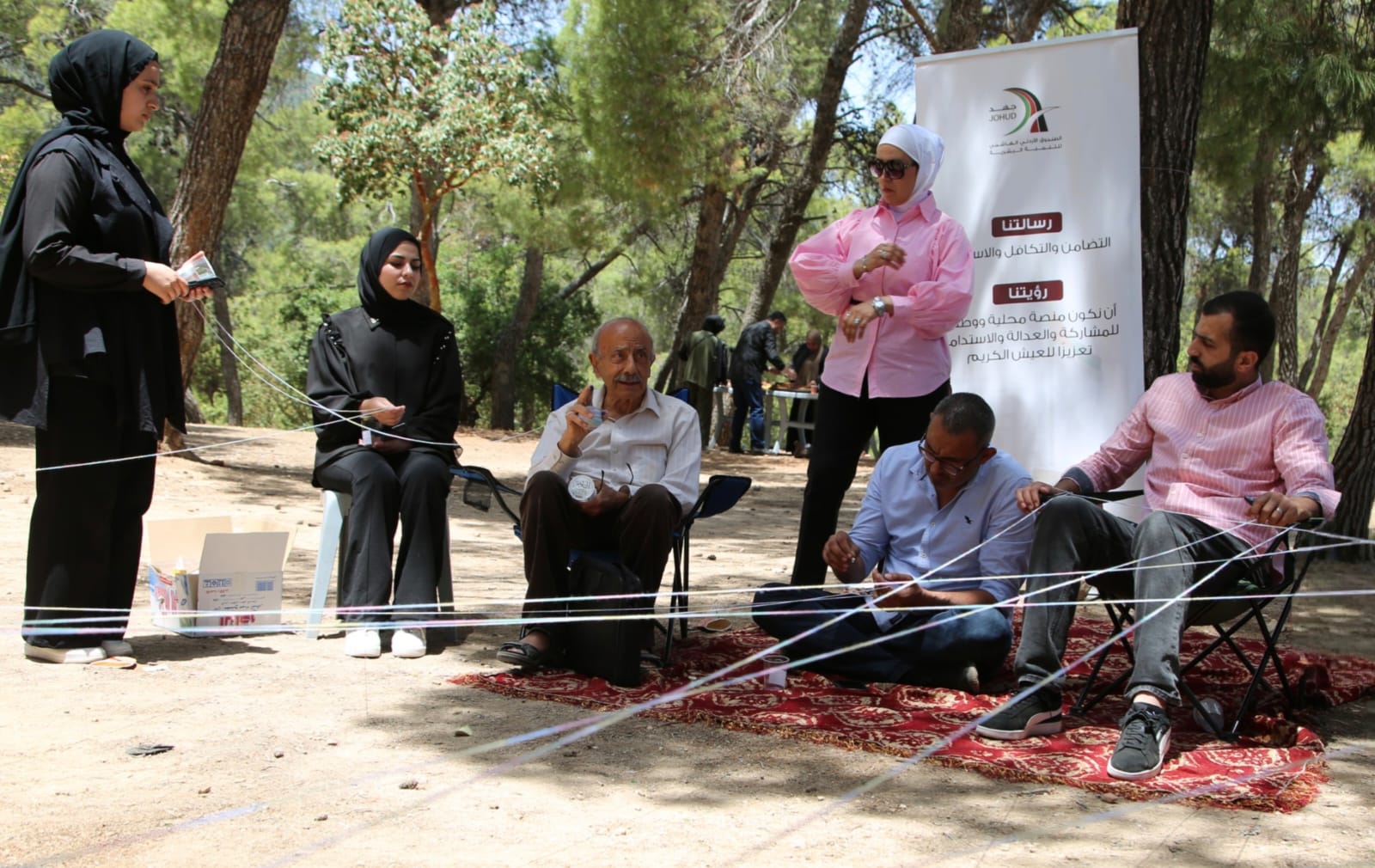
This practice has a name: Al-Mujawara. It grew out of a series of gatherings led by Dr. Munir Fasheh, and it is how we listen and connect – inside Johud and with communities across Jordan.
‘Many of Johud’s centres are the beating heart of their local communities, tied to the place and context of each one. They are not copies of ready-made, imported institutions; they were born of the reality in each place, and there is much to learn and gain from them.’
There is work we turn down, however much funding is on offer: anything that divides a community’s own decision-making, sets up systems alongside the ones communities already have, undermines a centre’s standing where it works, skips the learning, or asks more of the local team than it can carry.
These limits apply to every partnership we enter into.
Participation means the power to decide, not just a seat in the room.
19772027
The Queen Alia Fund for Social Work is founded to stand with communities and the people most in need.
HRH Princess Basma bint Talal chairs Johud’s Board of Trustees. The Board sets direction, oversees how resources are used and holds the executive management to account. Johud operates under Law No. 37 of 1985.
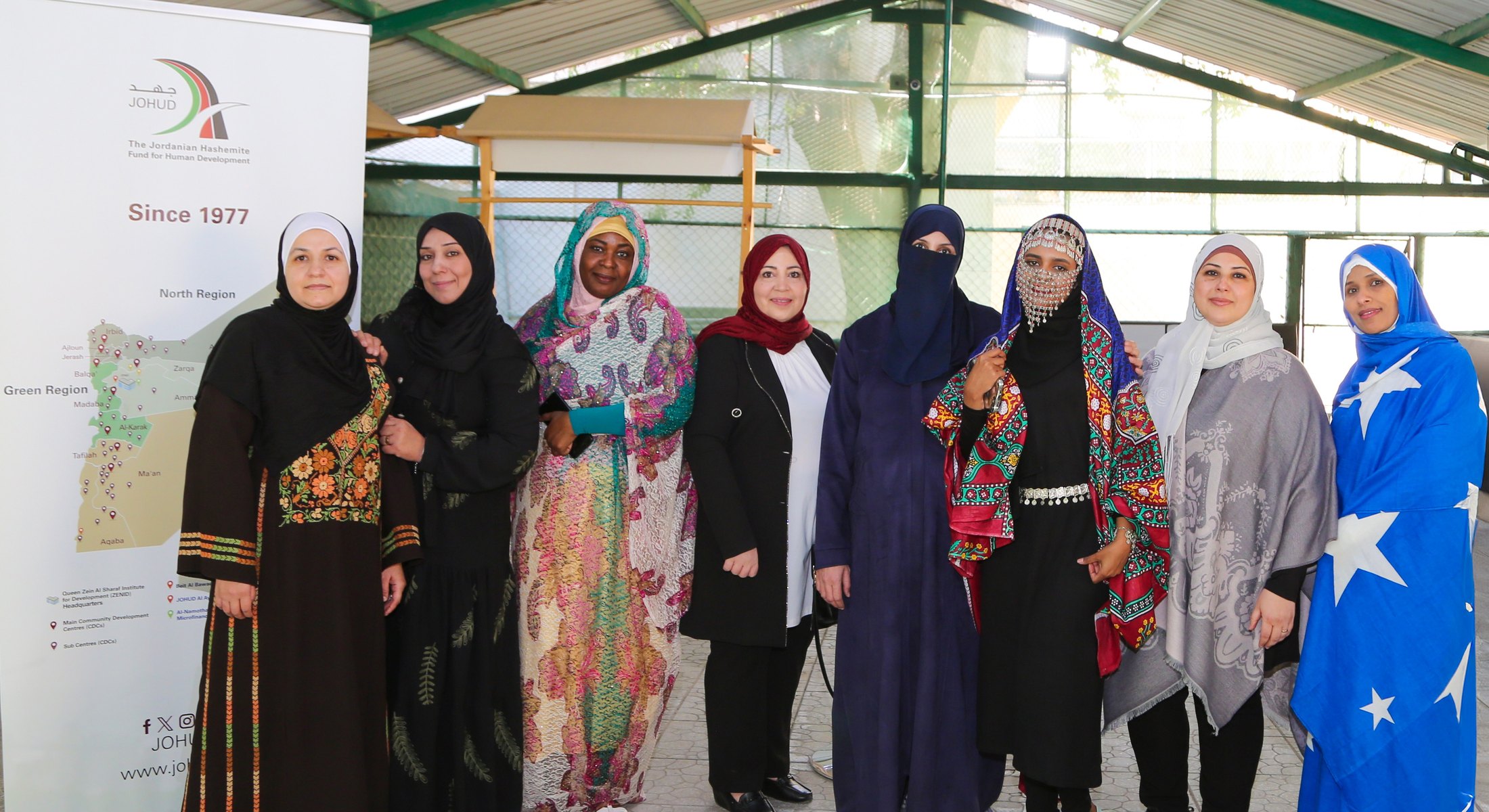
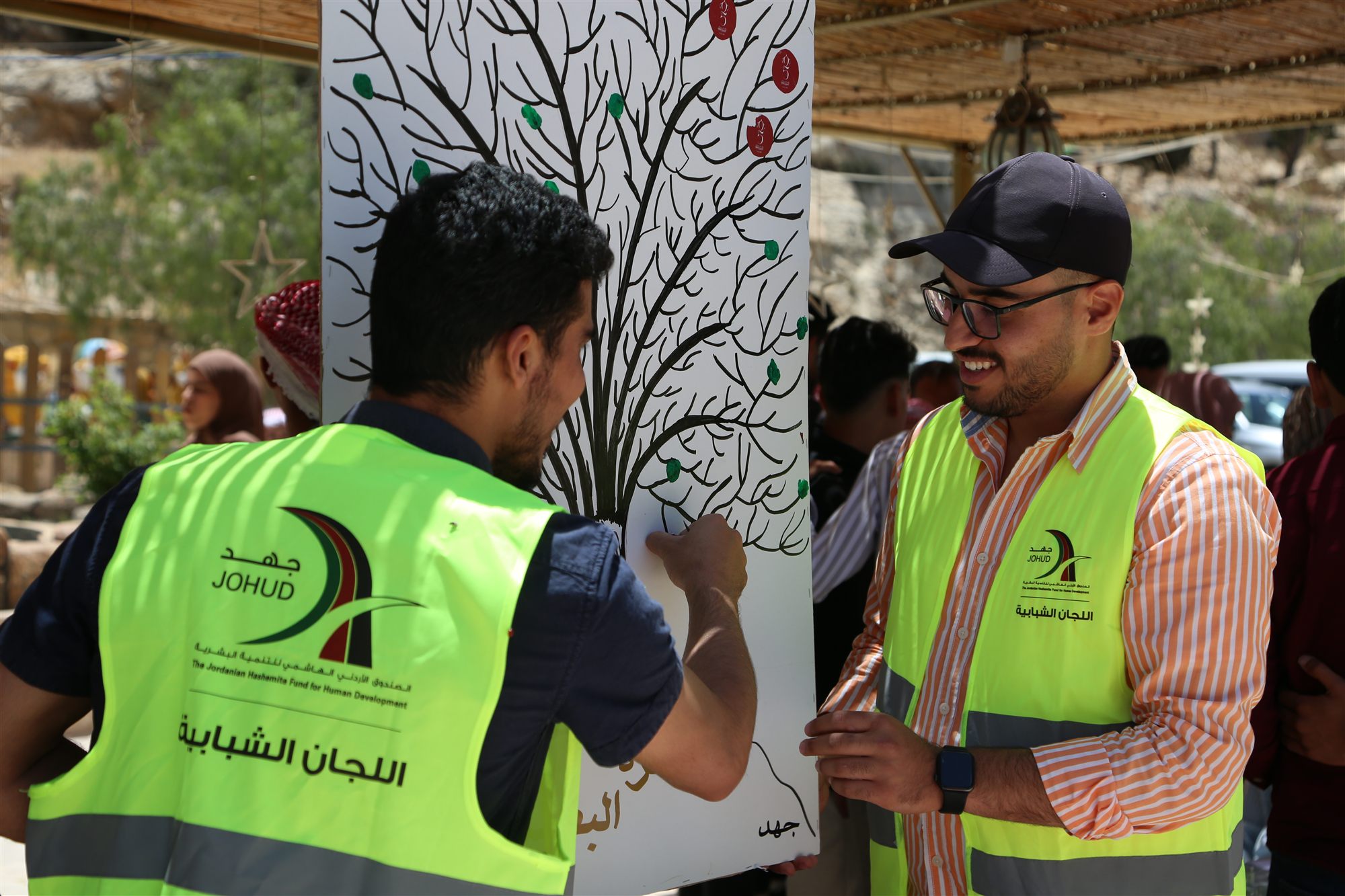
Johud’s centres are run by leaders from the communities they serve. Many began with us as volunteers, trainees or committee members. Today they lead our work in governorates across Jordan. Meet some of them.
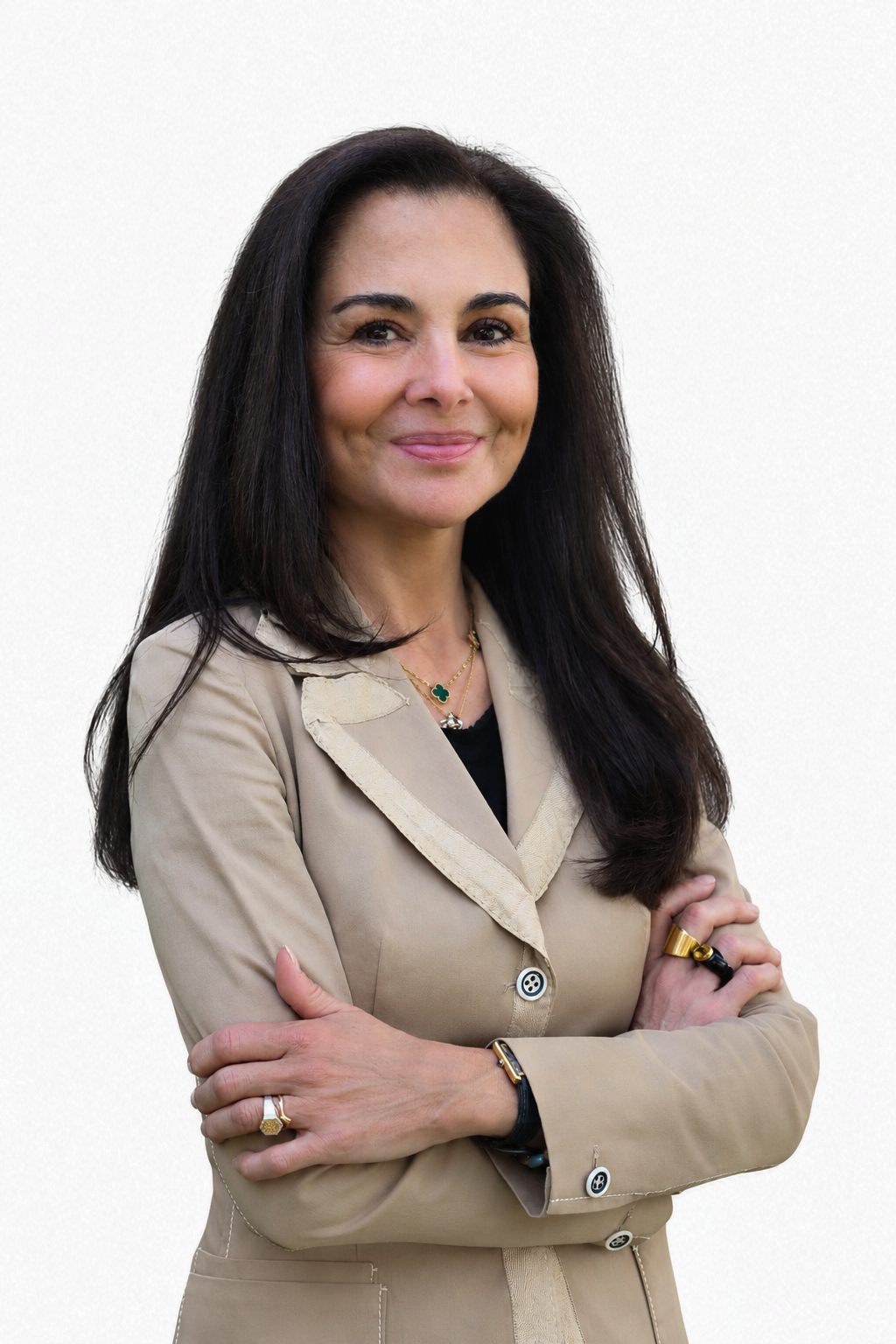 Farah DaghistaniExecutive Director
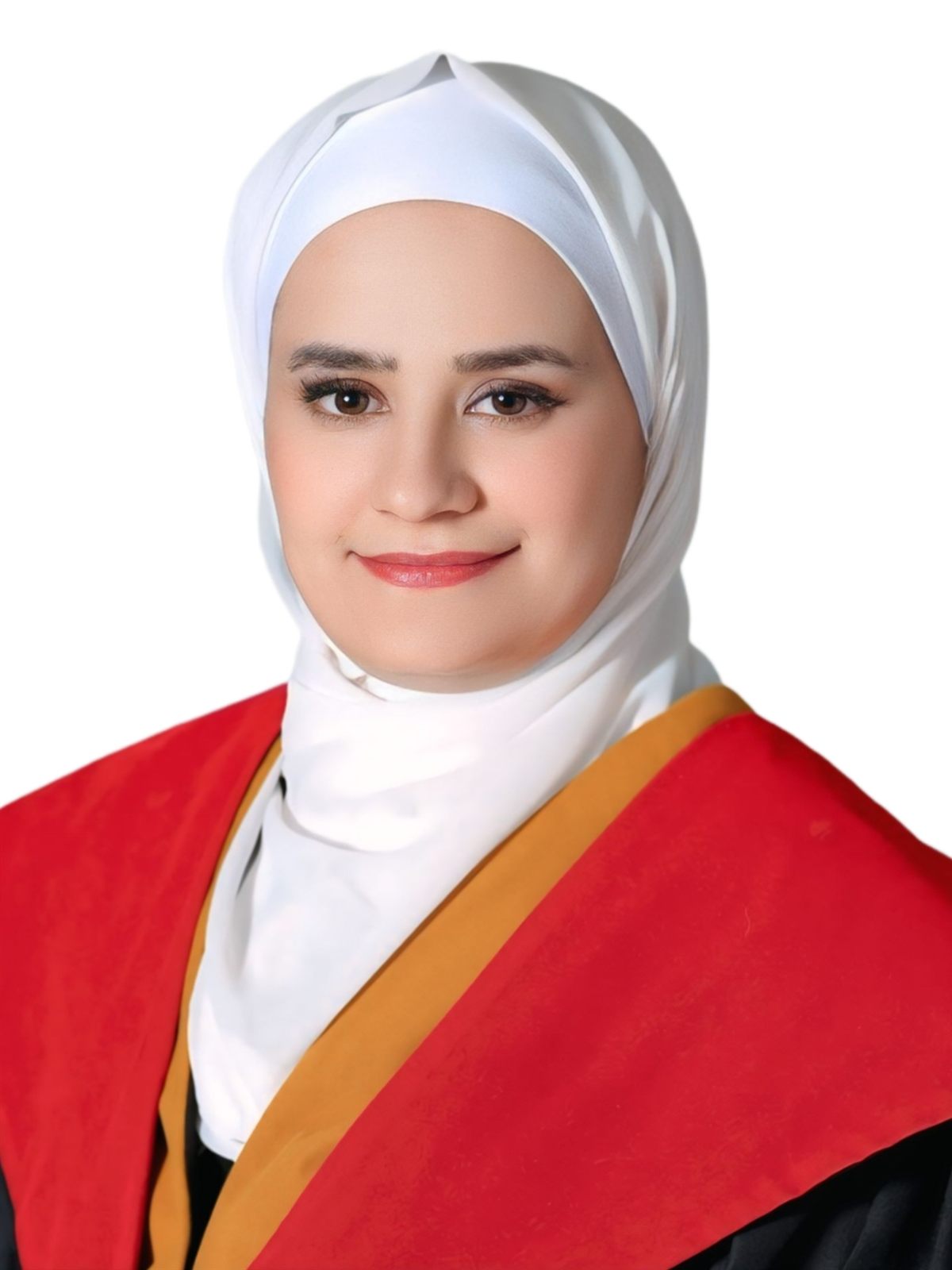 Zuhour GharaibehManager, Princess Basma Development Centre, Irbid
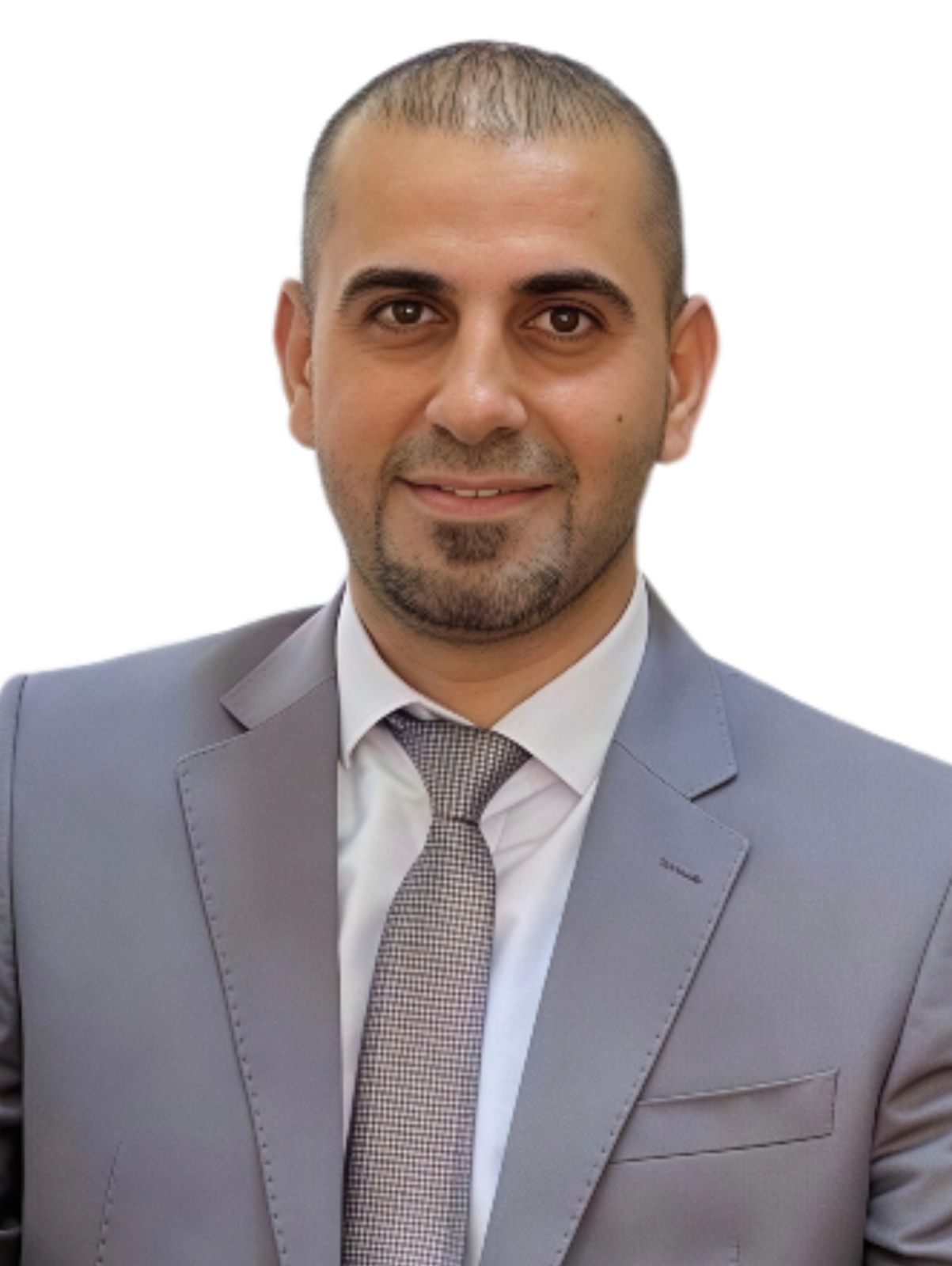 Mohammad Al GhazoSupervisor, Princess Basma Development Centre, Al Wahadneh, Ajloun
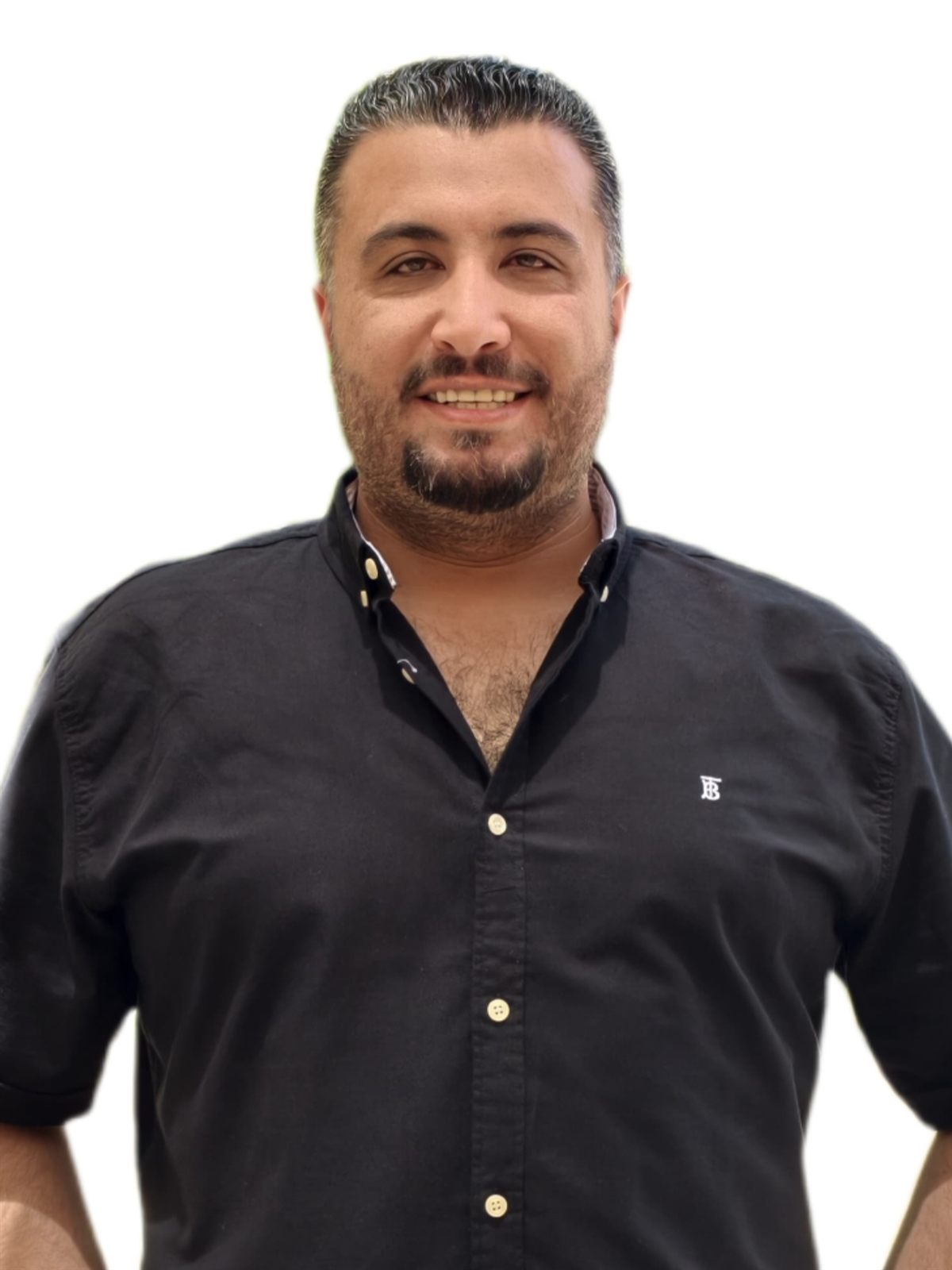 Tariq ShatnawiSupervisor, Princess Basma Development Centre, Jerash
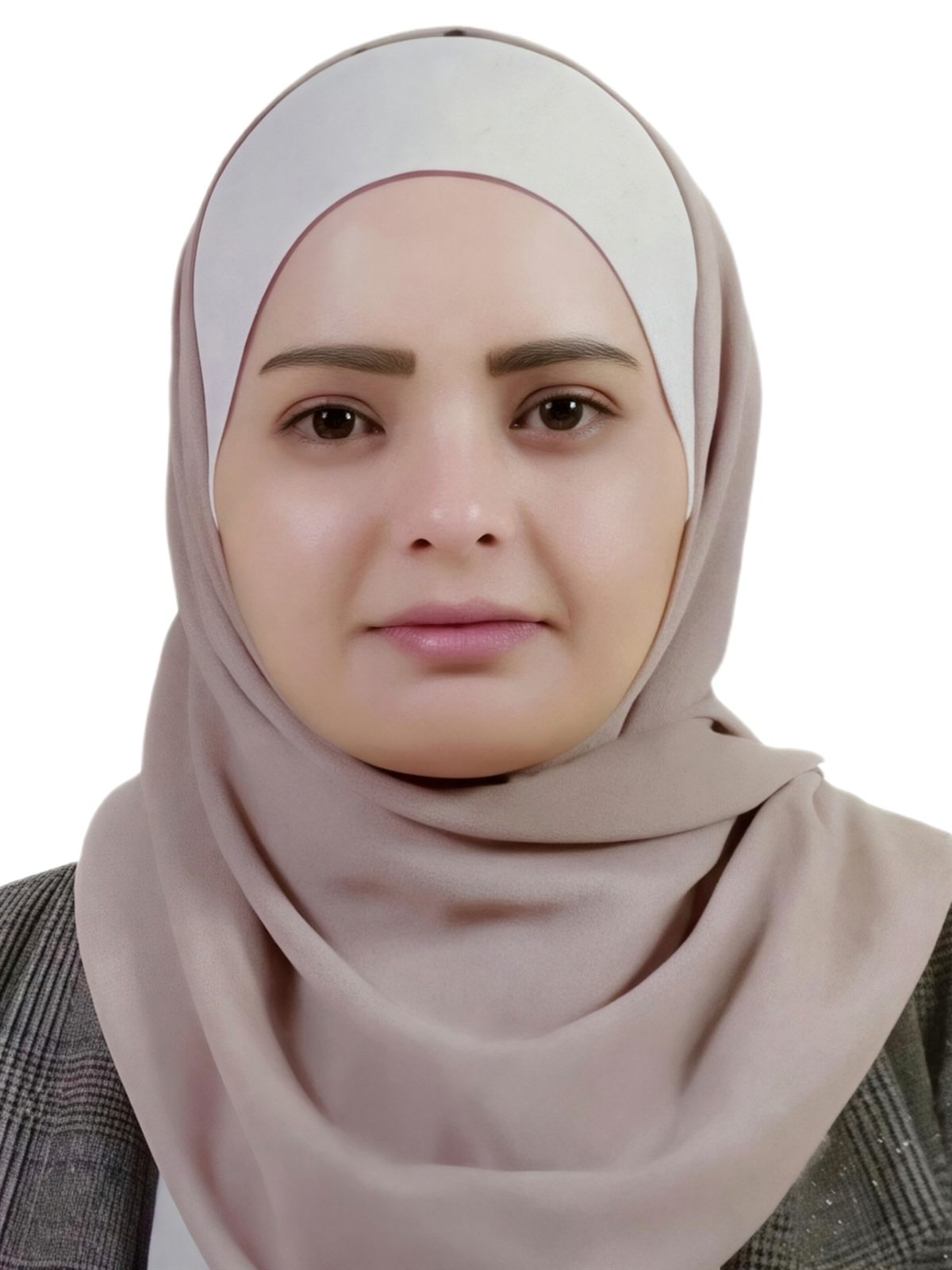 Hamsah AlomoushManager, Princess Basma Development Centre, Mafraq
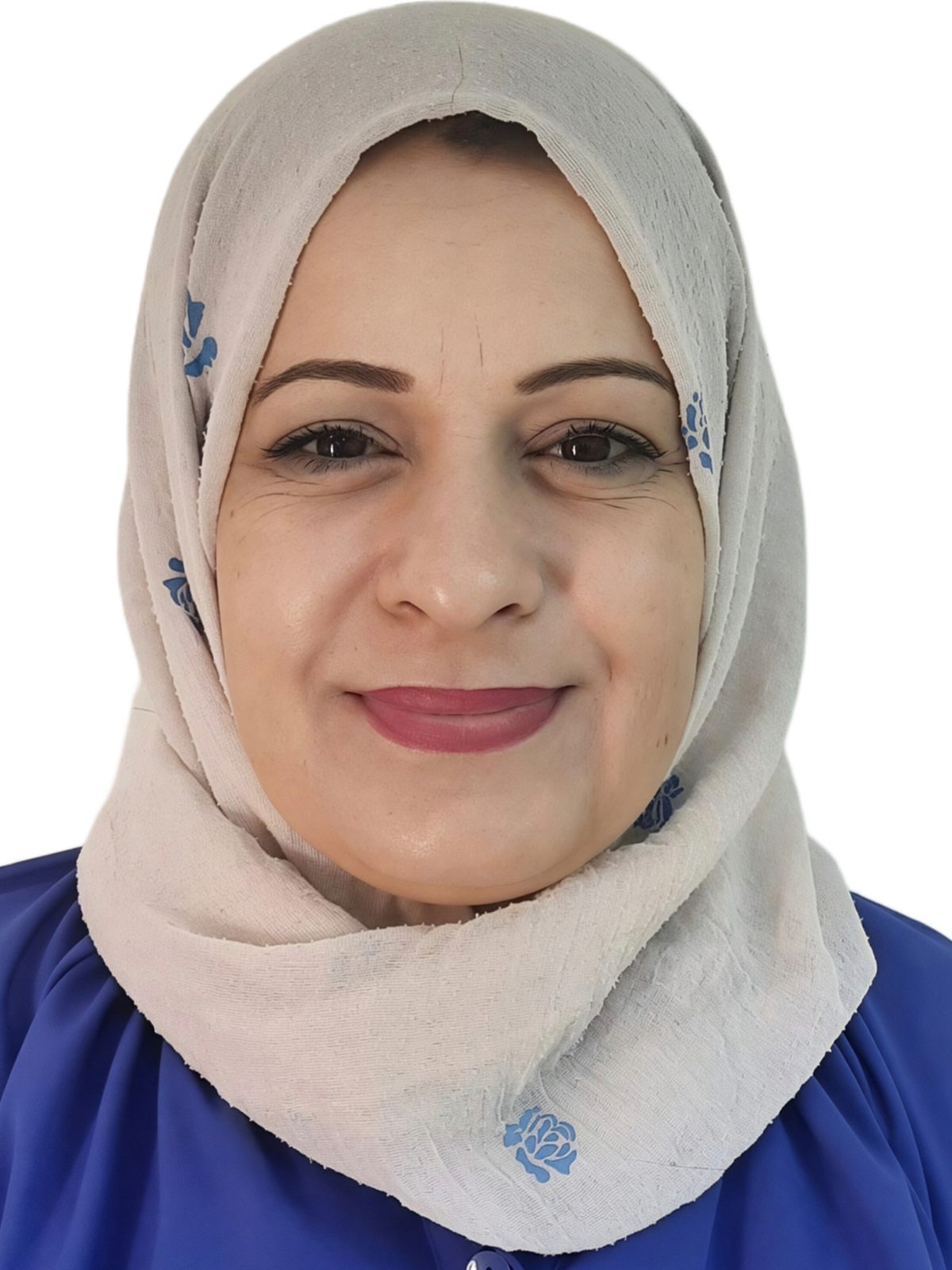 Najwa Al-BdourManager, Princess Basma Development Centre, Al Nuzha, Amman
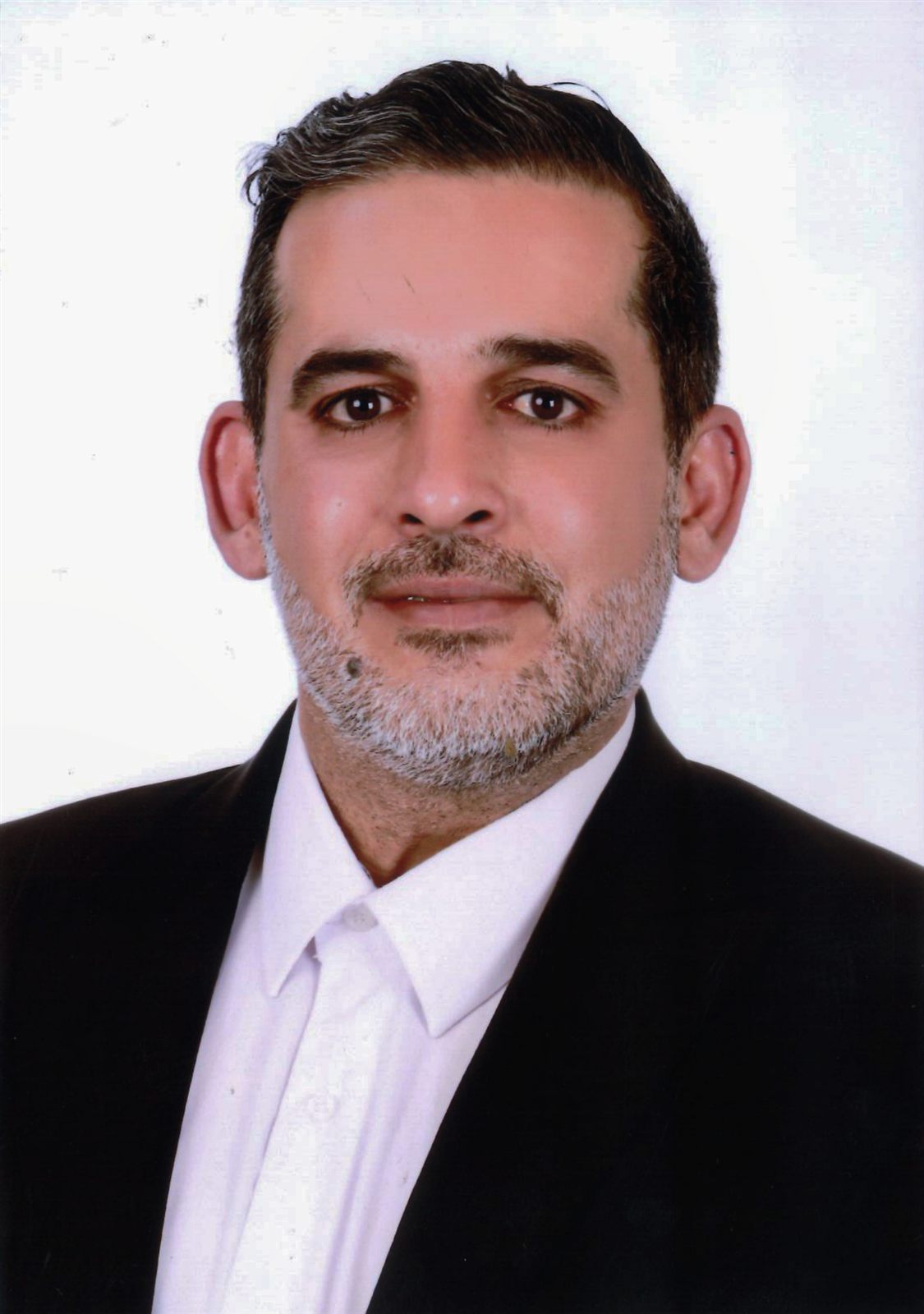 Nidal Al AhmadManager, Princess Basma Development Centre, Zarqa
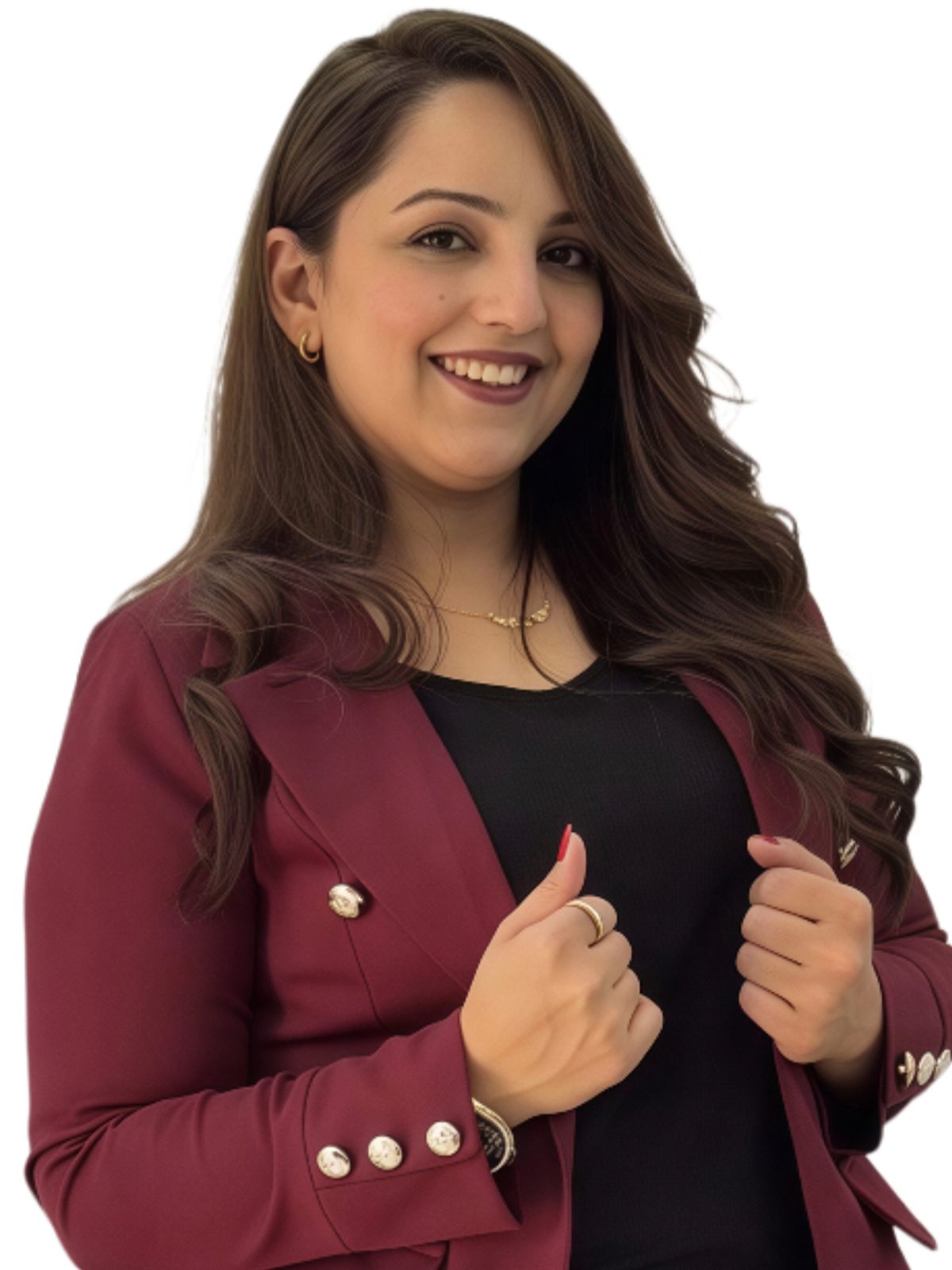 Dunia Al AdwanAccountant and Centre Manager, Princess Basma Development Centre, South Shouneh
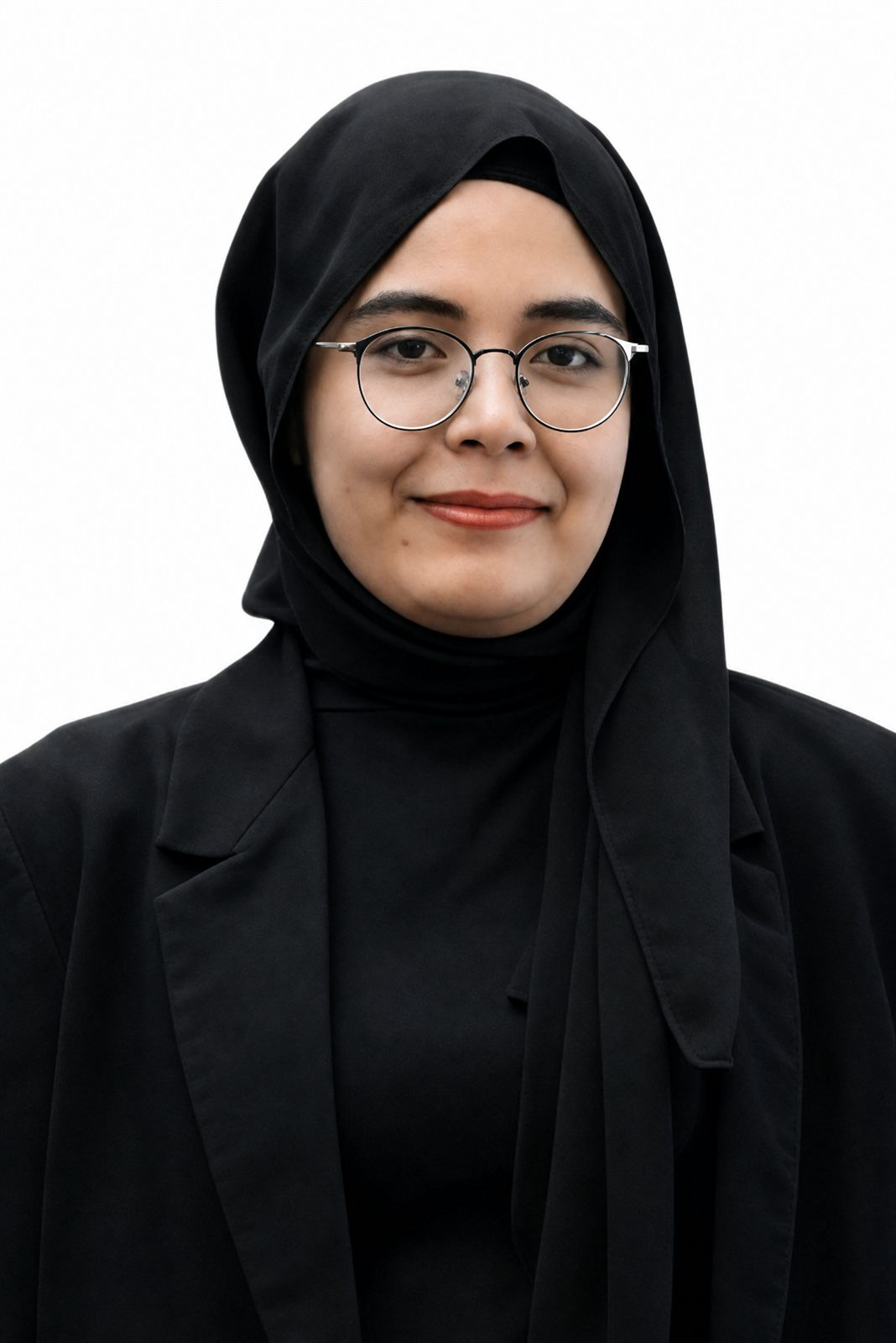 Salam Al NawaisehSupervisor, Princess Basma Development Centres, Karak
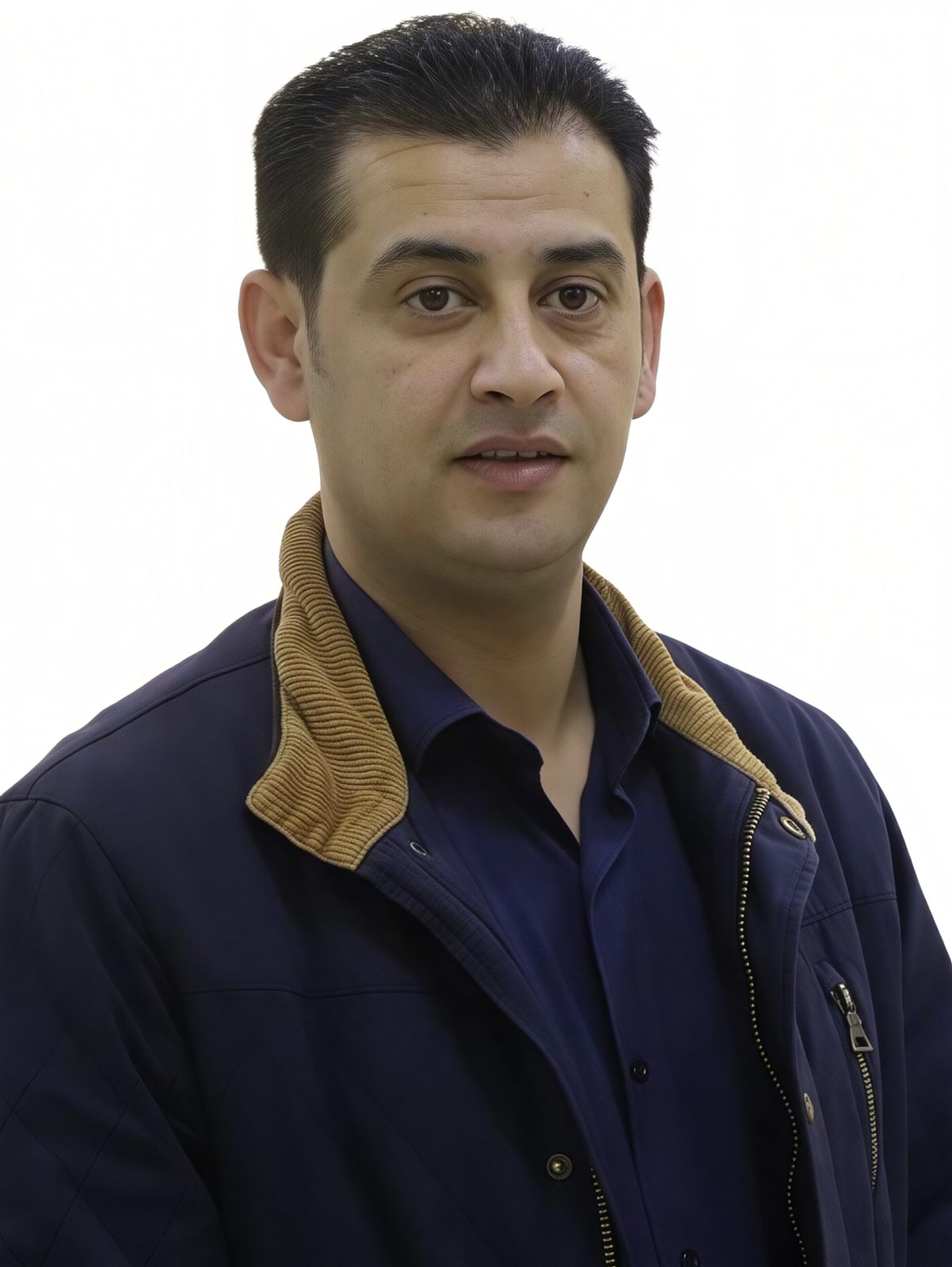 Ahmad Al-QataminManager, Queen Alia Centre for Social Work, Tafileh
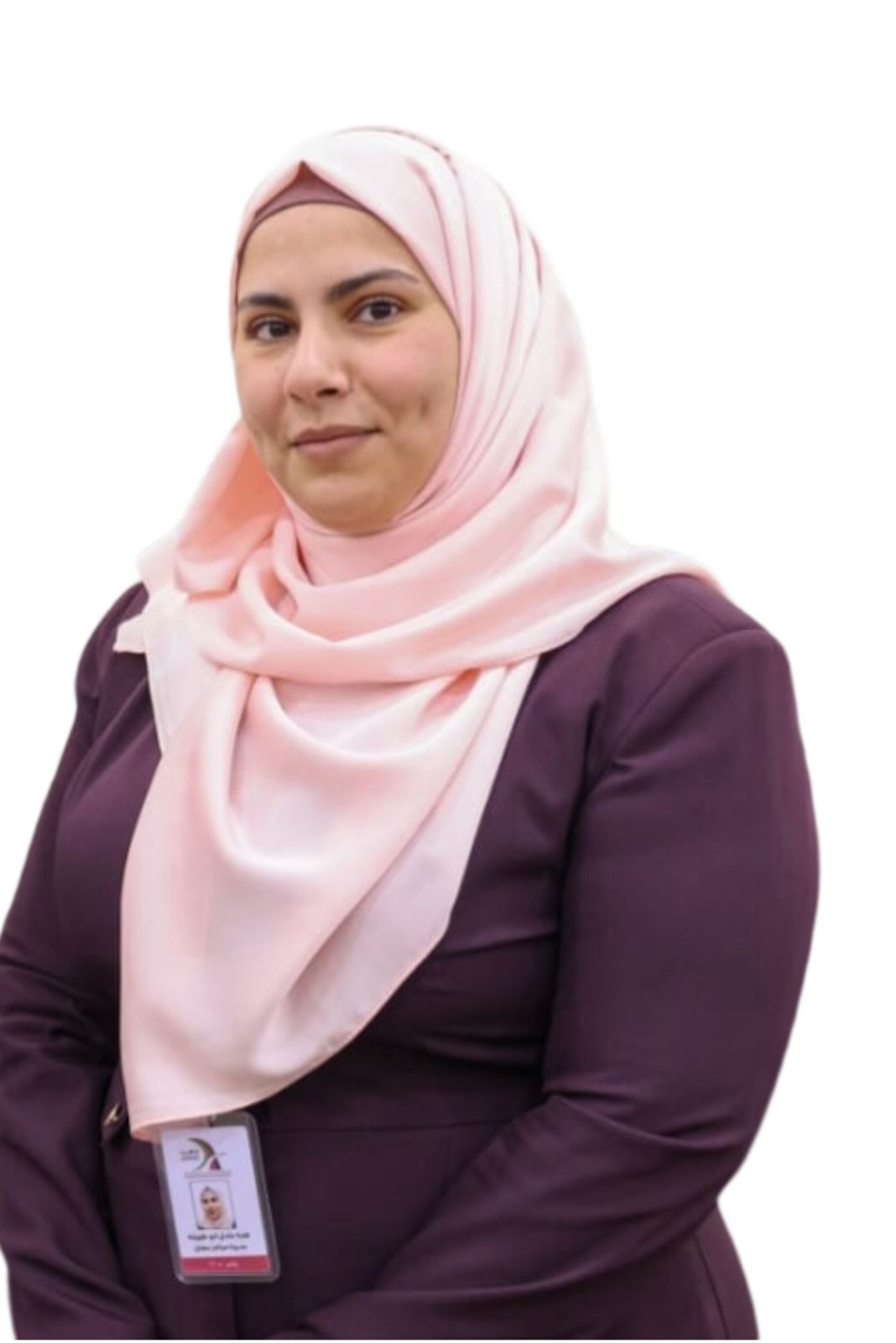 Hiba Abu TuwaylaManager, Princess Basma Development Centres, Ma’an
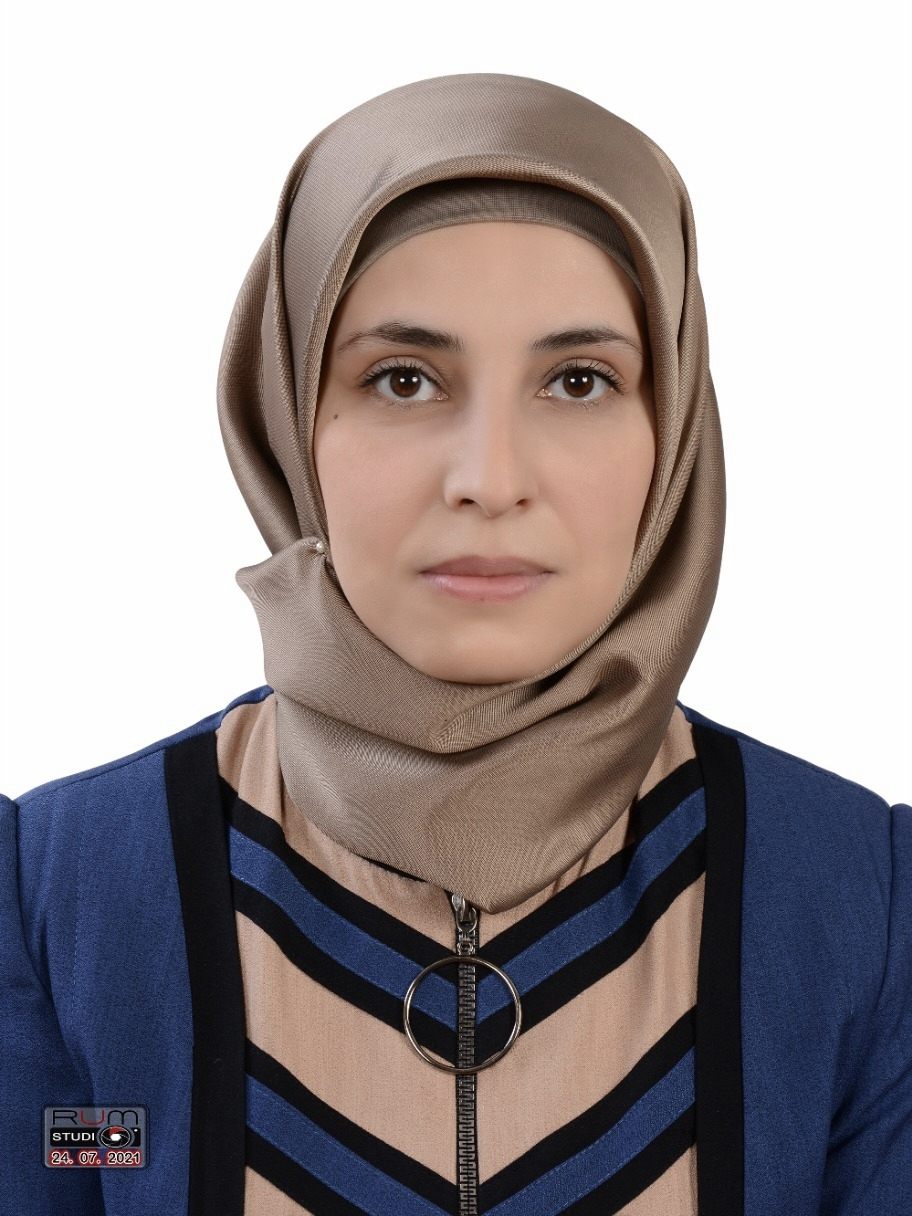 Ibtihal Al TarawnehManager, Princess Basma Development Centres, Aqaba
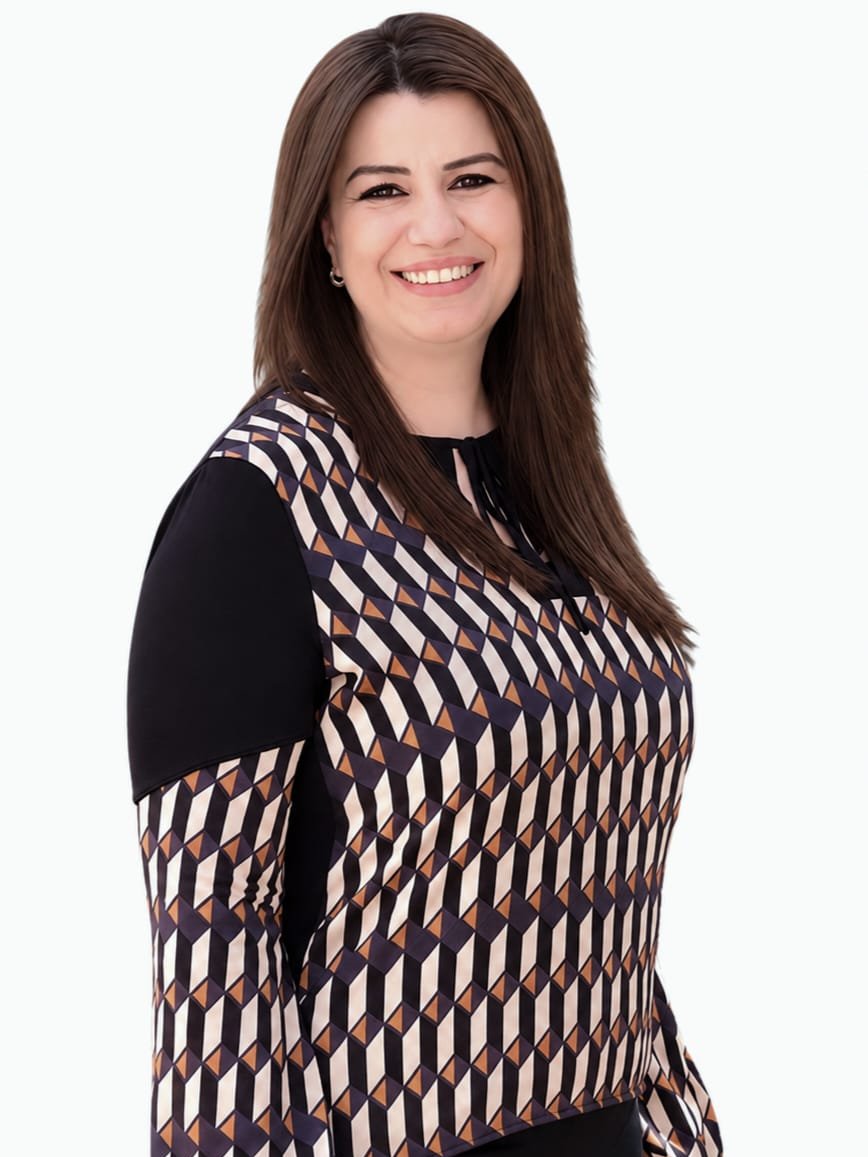 Hanan SharaanGeneral Coordinator, Communications and Engagement
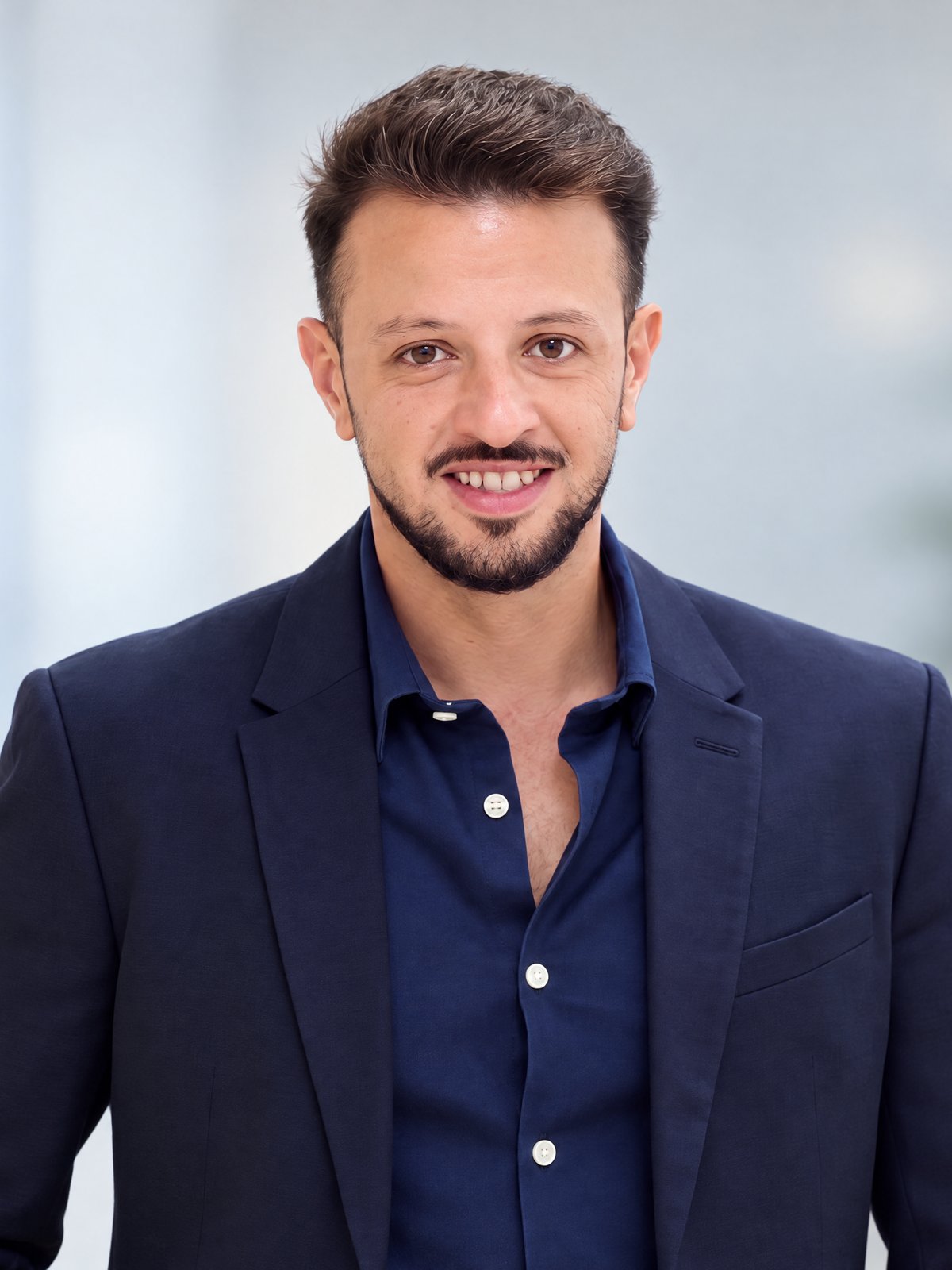 Amin SammourManager, Communication Unit
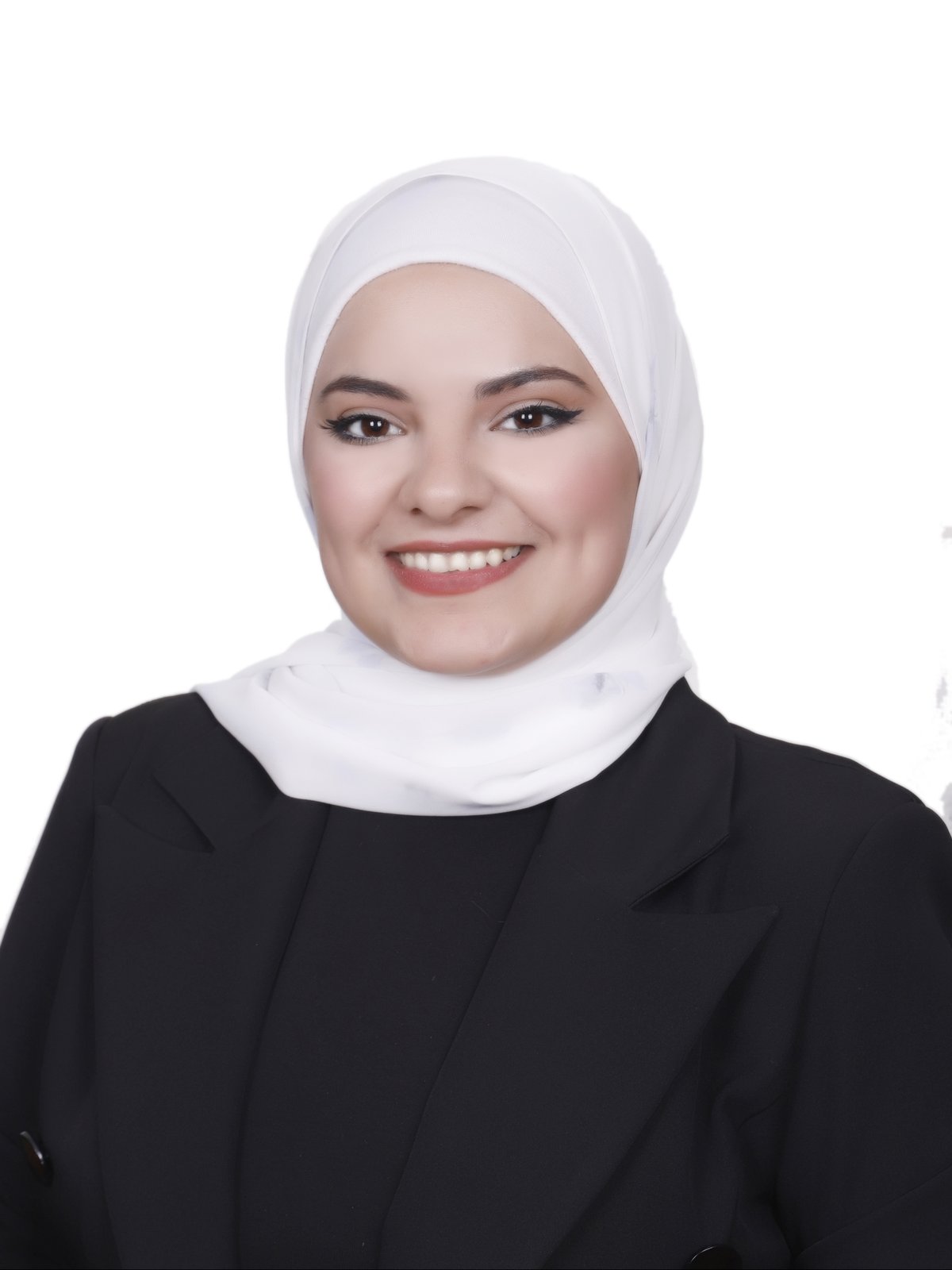 Rahaf AlramahiManager, Farah Al Nas Radio
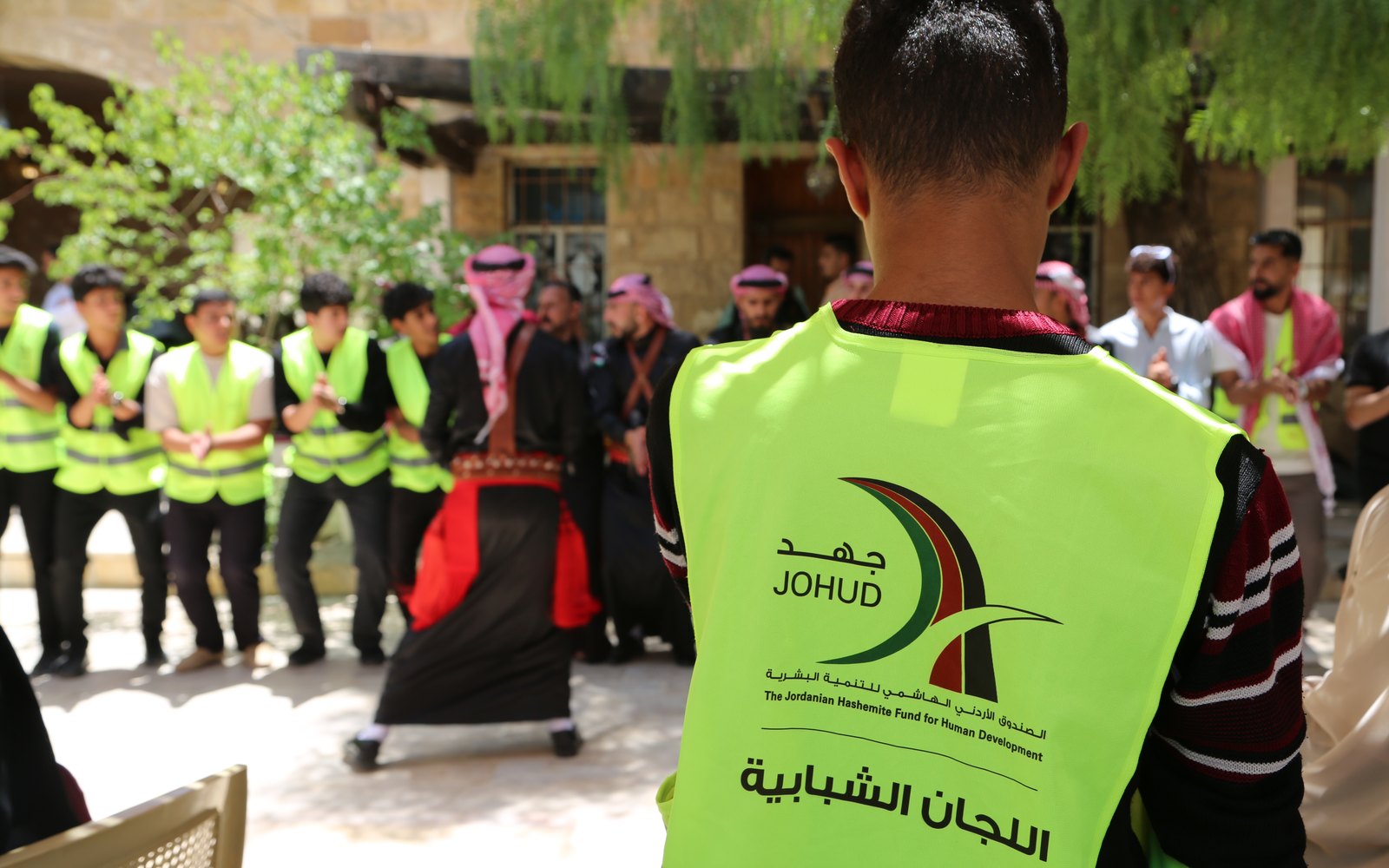
How Johud measures its work: what we count, how we count it, and what has changed for people, communities and institutions. A reach figure tells you how many people we reached, not what changed in their lives. Both matter, so we say what every number stands for.